How to Build a Hatha Yoga Sequence (With Example Class)
Hatha yoga slows the practice down. Instead of flowing one breath to one movement, you hold each pose for several breaths, refine the alignment, and let students actually feel the shape. That changes how you sequence: you build around steady standing holds, thoughtful counter-poses, and clear transitions in and out of the floor. Here is how to build a hatha yoga sequence, with a complete example class you can teach this week.
What makes hatha sequencing different
In a hatha class, the hold is the teaching. Because poses are held for five to eight breaths, you need fewer of them, and each one has to earn its place. Alignment cues have time to land, and every strong shape should be answered by a counter-pose that returns the body to neutral, a backbend followed by a forward fold, a twist to one side balanced by the other. Compared to a vinyasa flow, transitions are simpler and slower; the skill is in what happens while students stay still.
The shape of a hatha class
Hatha follows the universal class arc, but weighted toward the standing holds in the middle. Center with breath, warm the spine, move through grounded standing poses and balances, then release with gentle backbends and twists before rest.
Example: a 45-minute hatha yoga sequence
Hold each standing pose for five breaths per side unless noted. Move slowly in and out; let students find their alignment before you deepen the cue.
Arrive in a comfortable seat, then wake the spine with Cat-Cow before the first Downward Dog.




The heart of the class. Enter each pose deliberately, hold, refine, then move on. Teach the whole set on one side, then repeat.






One gentle backbend, then a forward fold to counter it and neutralize the spine.



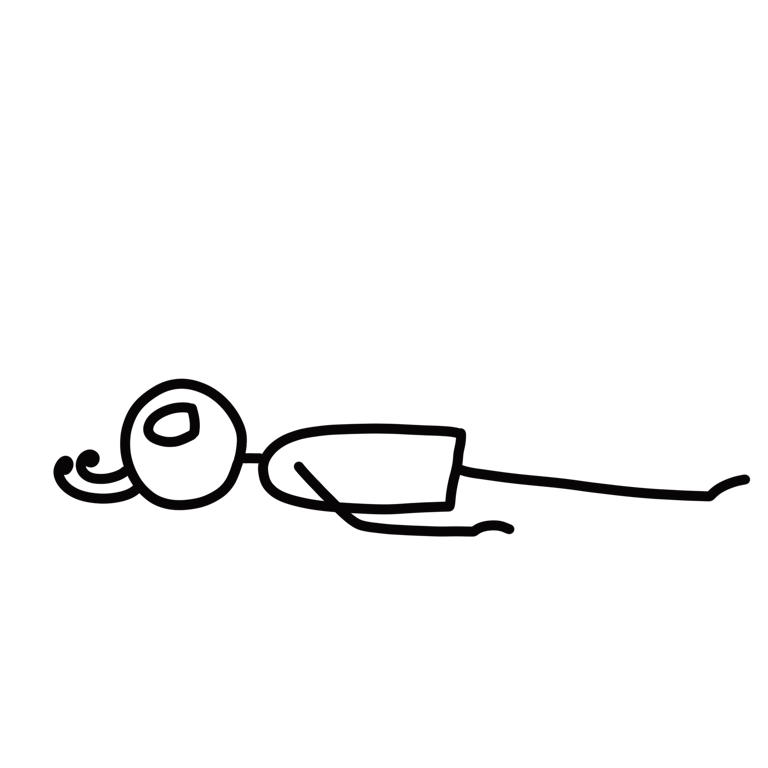
A supine twist to each side unwinds the spine, then settle into stillness.

Do's and don'ts of hatha sequencing
Do
- Hold long enough for alignment cues to land, five breaths or more.
- Pair every backbend with a forward fold to counter it.
- Enter and exit poses slowly and mindfully.
- Offer a prop or variation so everyone can hold with ease.
- Teach both sides for the same number of breaths.
Don't
- Rushing poses as if it were a flow class.
- Stacking strong backbends with no counter-pose.
- Skipping the warm-up because the pace feels gentle.
- Holding so long that the alignment collapses.
- Ending without a proper rest.
Build this sequence in minutes
Drag and drop from 200+ illustrated poses, see your whole class at a glance, and download a beautiful PDF to teach from, with alignment cues included.
Create your sequence freeLoved by 2,000+ yoga teachers · rated 4.93/5 from 376 reviews.