How to Build a Yoga Sequence for Beginners (With Example Class)
Sequencing for beginners is a craft of restraint. New students do not need variety, they need to feel safe, capable and unhurried. A good beginner sequence uses a small vocabulary of foundational poses, repeats them so they become familiar, and cues them clearly. Here is how to build a beginner yoga sequence that leaves people feeling confident rather than lost, with a full example class.
Keep the vocabulary small
The biggest mistake in beginner classes is teaching too many poses. Pick a handful of foundational shapes and return to them. Familiarity is what turns a nervous first-timer into a confident student, and repeating a pose lets you layer in alignment gradually instead of firing off cues they cannot yet absorb. Teach Downward Dog as a resting shape early, so it stops being intimidating.
Sequence for safety and confidence
Follow the standard class arc, but slow it down and keep transitions obvious. Warm the body thoroughly, introduce standing poses one clear step at a time, offer a simple balance, then wind down gently. Name each pose in plain language as well as Sanskrit, and always give an easier option first. A slower hatha approach suits beginners better than a fast flow.
Example: a 45-minute beginner yoga sequence
Hold standing poses for three to five breaths per side and move slowly. Repeat anything that needs a second pass, familiarity is the goal.
Settle the breath in a comfortable seat, warm the spine with Cat-Cow, then meet Downward Dog as a resting shape.


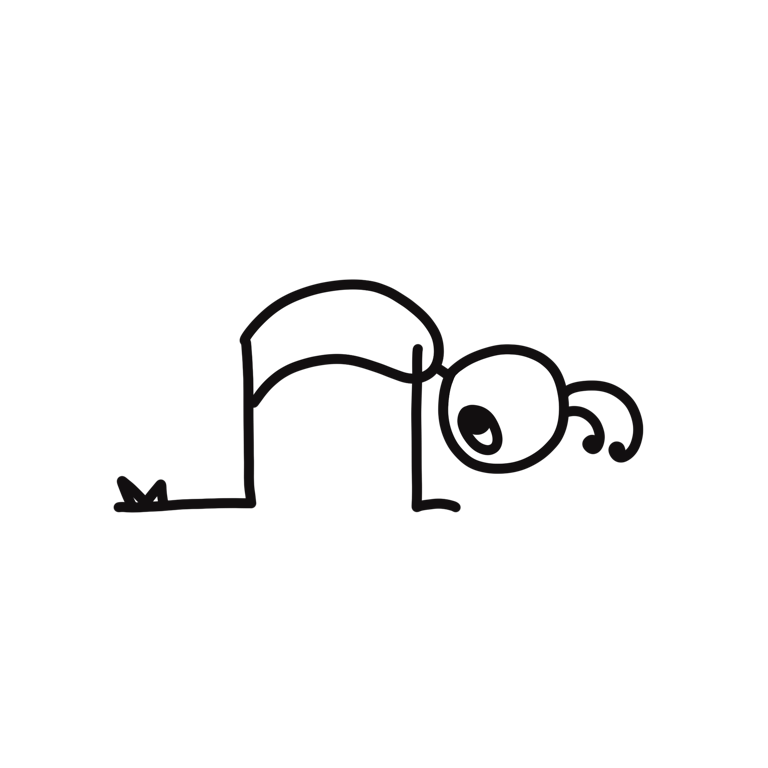

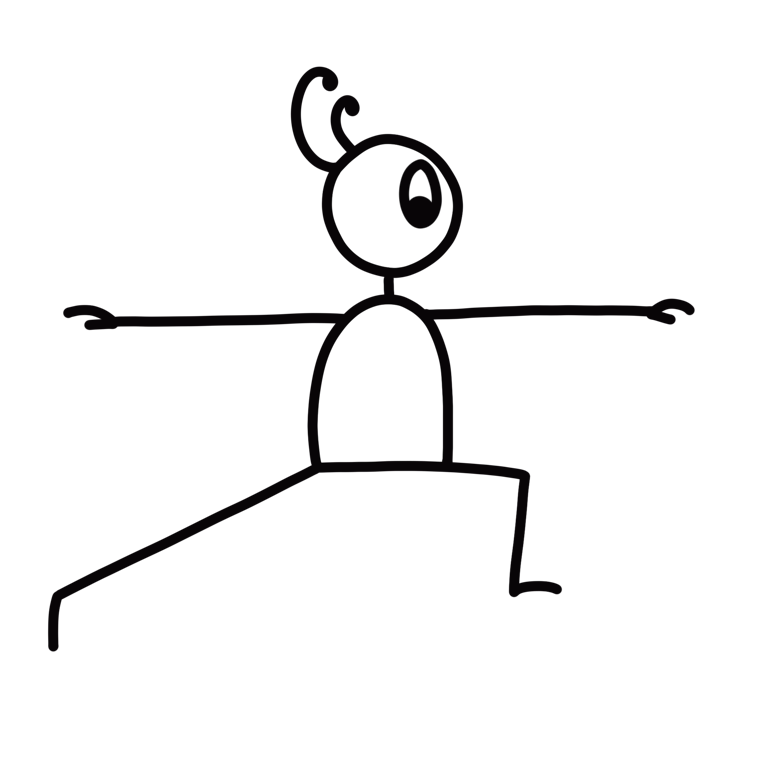
The core standing poses, taught one clear step at a time. Teach the whole set on one side, then repeat.
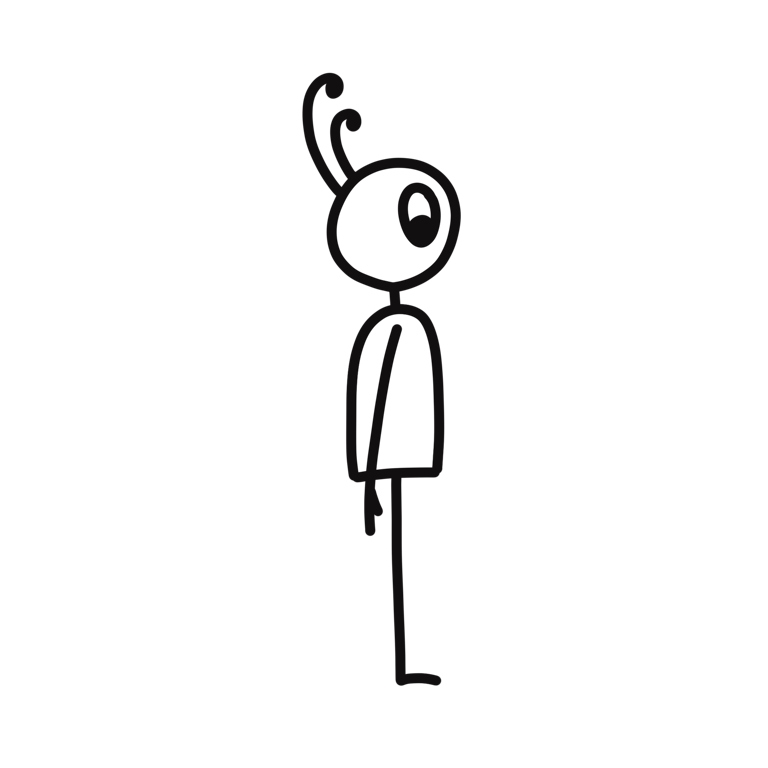


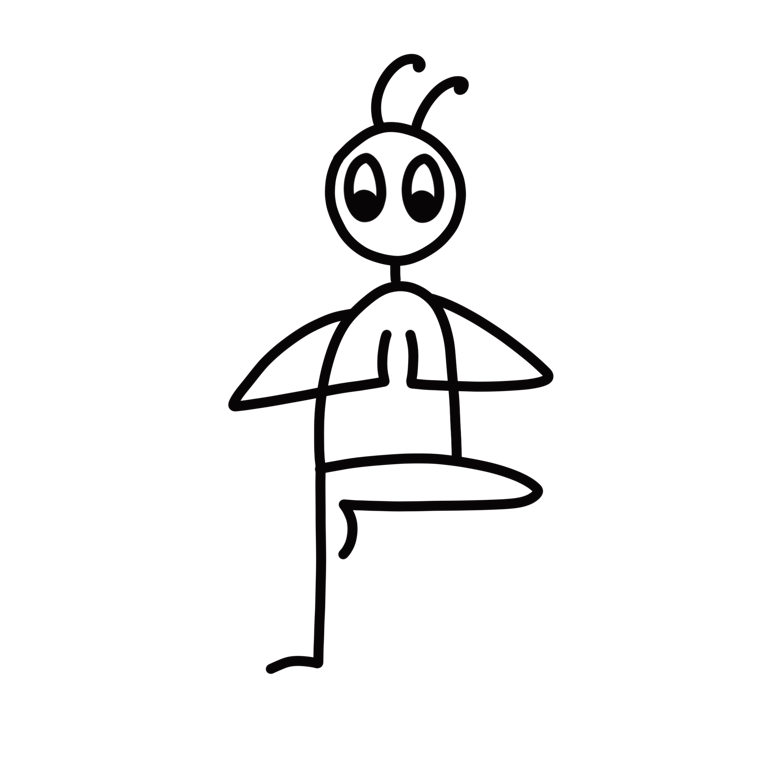
One accessible balance, with a wall or chair nearby for anyone who wants it.
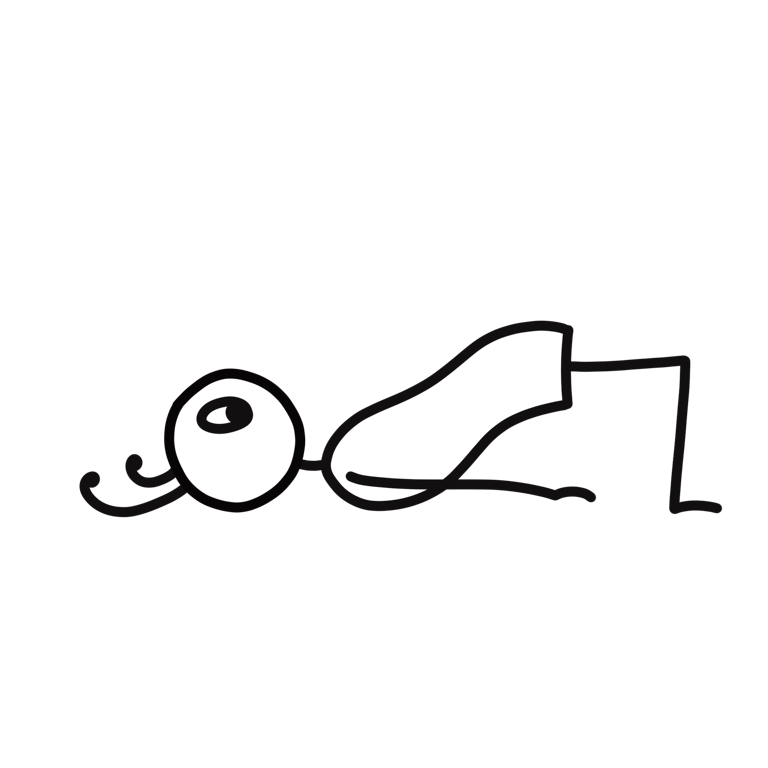
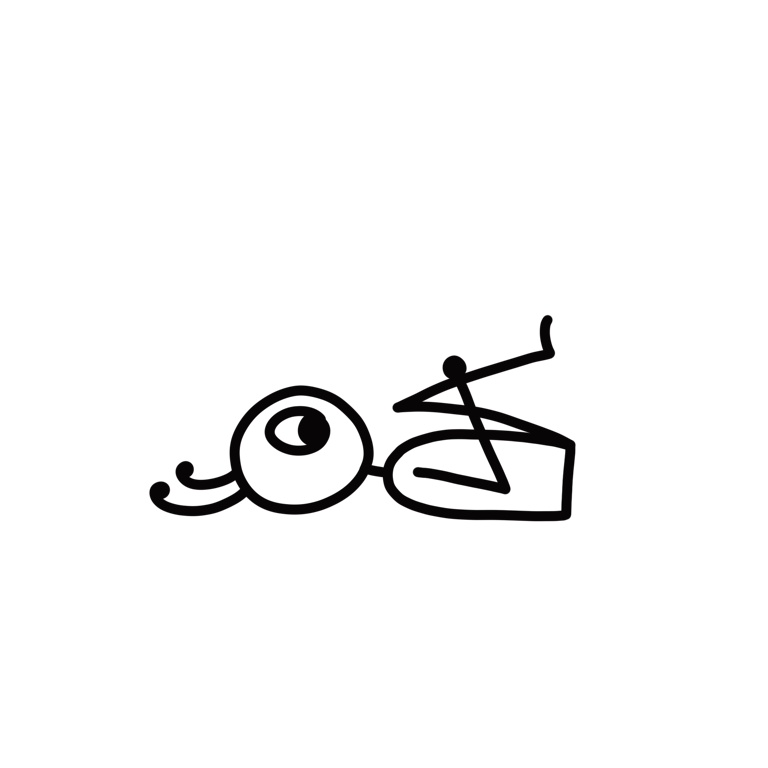
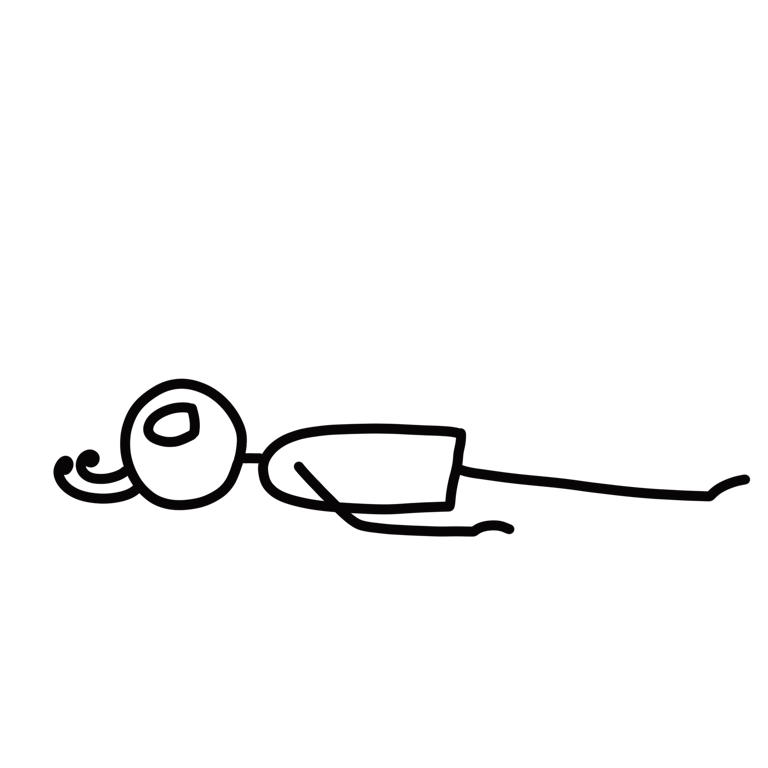
A gentle bridge, knees to chest, then a full, unhurried rest.
Do's and don'ts of beginner sequencing
Do
- Use a small set of poses and repeat them.
- Teach the easiest option first, then offer more.
- Name poses in plain language as well as Sanskrit.
- Keep transitions slow and obvious.
- Normalize props, and rest whenever needed.
Don't
- Overloading the class with new poses.
- Cueing complex alignment before basics land.
- Rushing between standing and floor work.
- Assuming everyone can see or hear every cue.
- Skipping the warm-up or the final rest.
Build this sequence in minutes
Drag and drop from 200+ illustrated poses, see your whole class at a glance, and download a beautiful PDF to teach from, with alignment cues included.
Create your sequence freeLoved by 2,000+ yoga teachers · rated 4.93/5 from 376 reviews.