How to Create a Vinyasa Yoga Sequence (With Example Flow)
A good vinyasa yoga sequence is more than a list of poses: it links breath to movement, builds toward a clear high point, and lands your students gently at the end. Here is the structure teachers use, a complete example flow you can teach this week, and the mistakes to avoid.
What makes vinyasa sequencing different
In vinyasa yoga, one breath carries one movement. That single rule shapes everything about how you sequence: transitions matter as much as the poses themselves, repeated movement patterns (like sun salutations) create rhythm, and the class flows in waves of effort and release rather than long static holds.
Compared to a hatha sequence, where you hold poses and sequence around alignment, a vinyasa flow is choreography. Each pose has to hand over smoothly to the next: same foot position, same orientation on the mat, no awkward jumps from standing to lying and back. If you can move through your own draft without pausing to think, your students will be able to as well.
The arc of a vinyasa class
Nearly every vinyasa class, from 30 to 90 minutes, follows the same five-phase arc. Proportions stay roughly the same at every length:
The five phases of a vinyasa class as share of total class time.
- Arrive and warm up. Ground the breath, mobilize the spine, wake up the wrists and shoulders that sun salutations will load.
- Sun salutations. Establish the breath-movement rhythm with 2 to 4 rounds, layering in options.
- Standing poses and peak. The main wave: standing strength and balance, building toward the most demanding shape of the class, the peak pose.
- Cooldown. Counter the peak with gentler backbends, twists and forward folds on the floor.
- Rest. Savasana. Never cut it; it is where the practice settles.
Example: a 30-minute vinyasa yoga sequence
Here is a complete beginner-friendly vinyasa flow built on that arc. Hold each pose for one breath in the salutations and three to five breaths elsewhere; repeat the standing phase on both sides.
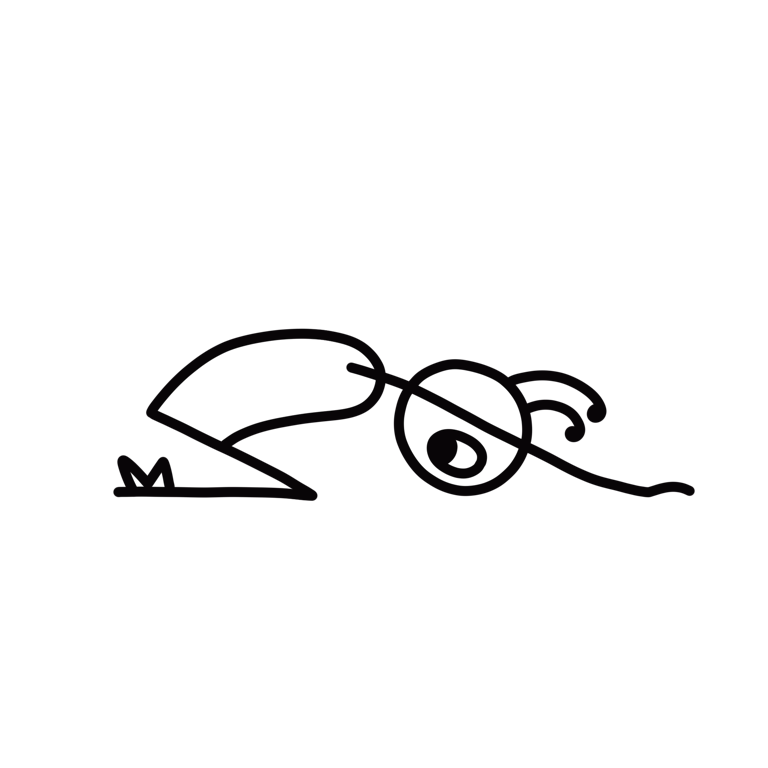
Settle the breath, then wake up the spine with a few rounds of Cat-Cow before the first Downward Dog.



Two to three rounds of Surya Namaskar A: one breath, one movement, all the way back up to Mountain. Offer knees-chest-chin as a Chaturanga alternative.
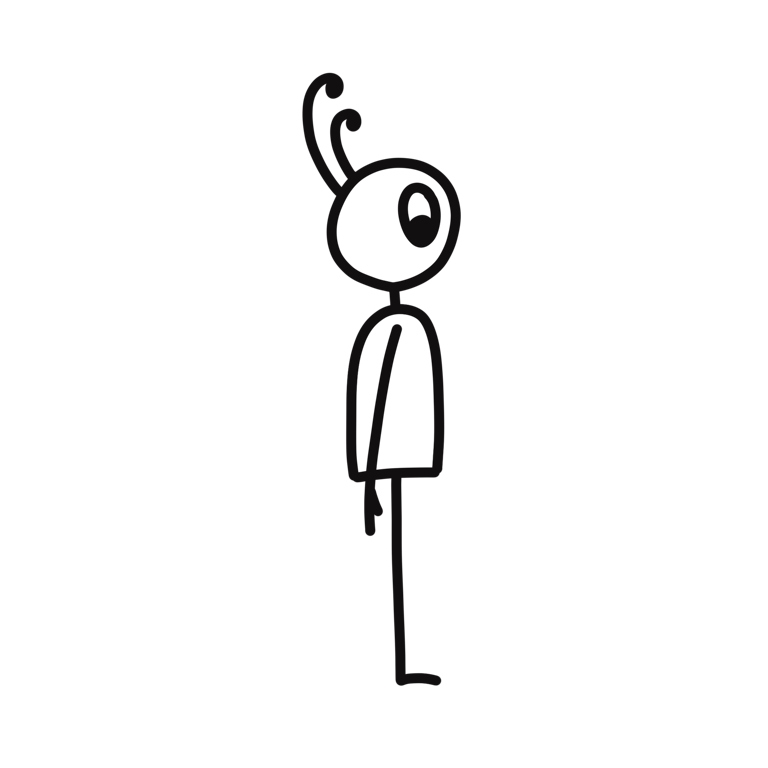

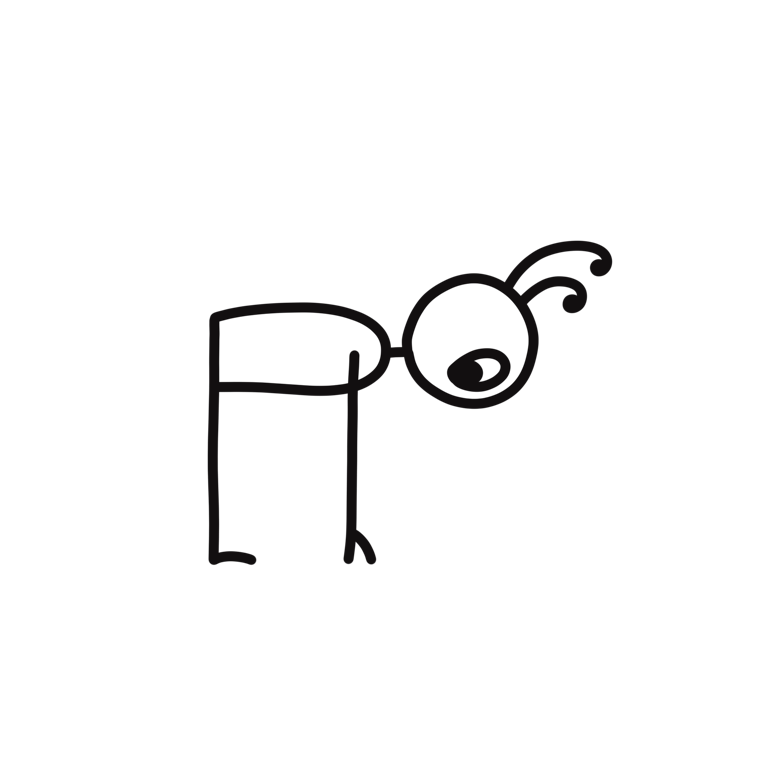
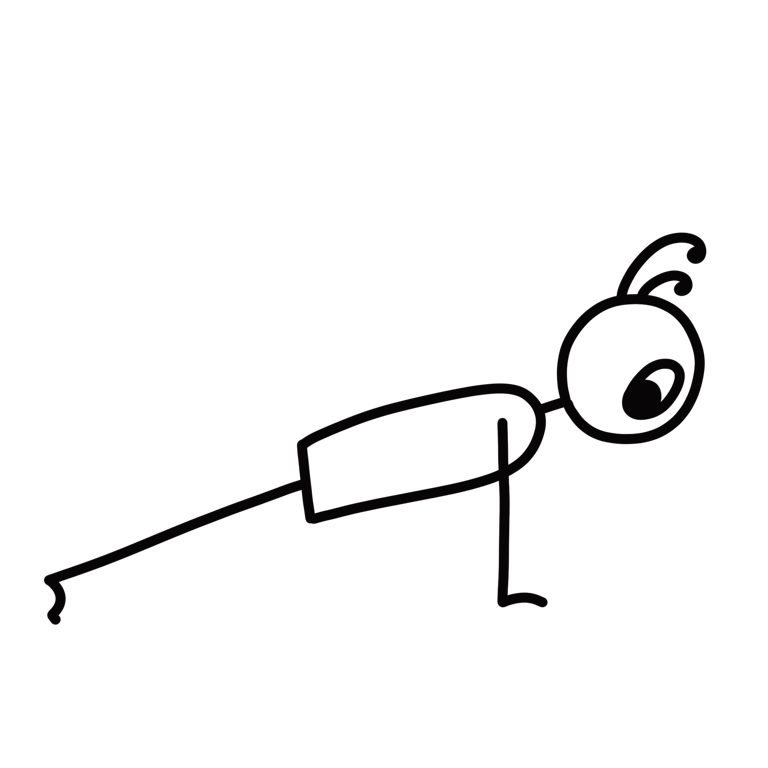
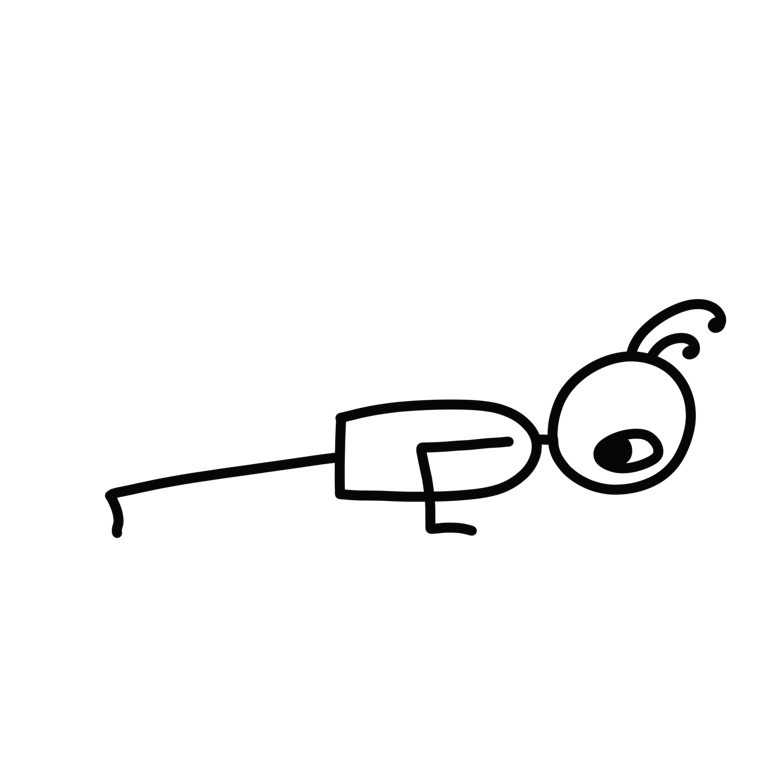
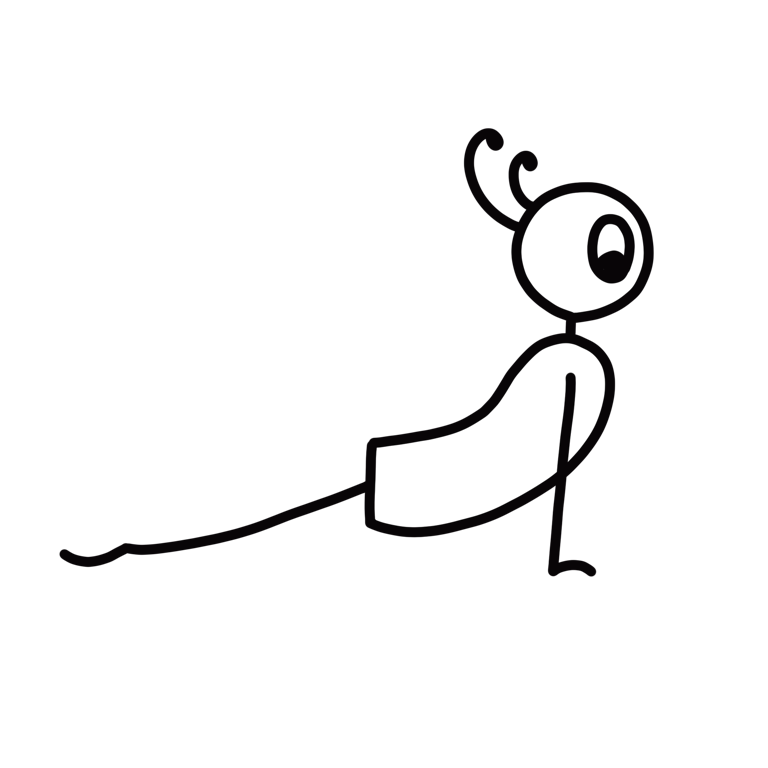
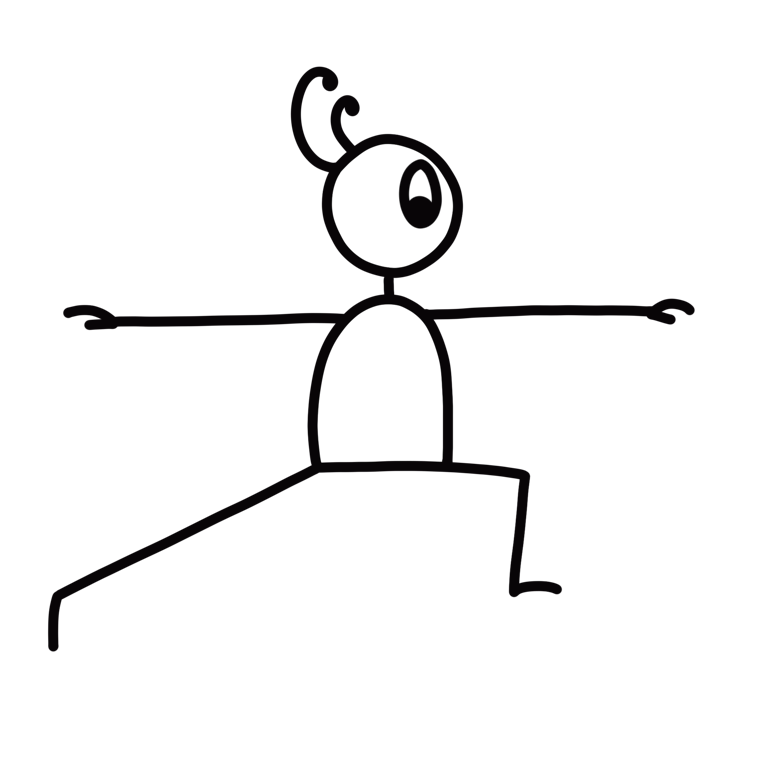
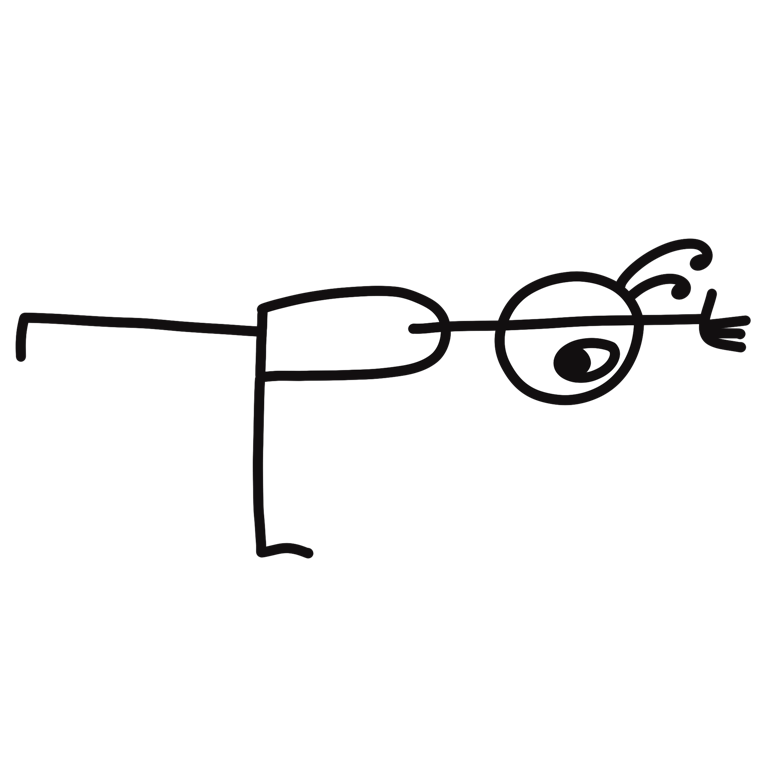
One flowing standing wave per side, from strong and grounded toward the balance peak, Warrior III. Teach the whole wave on the first side, then repeat it on the second.

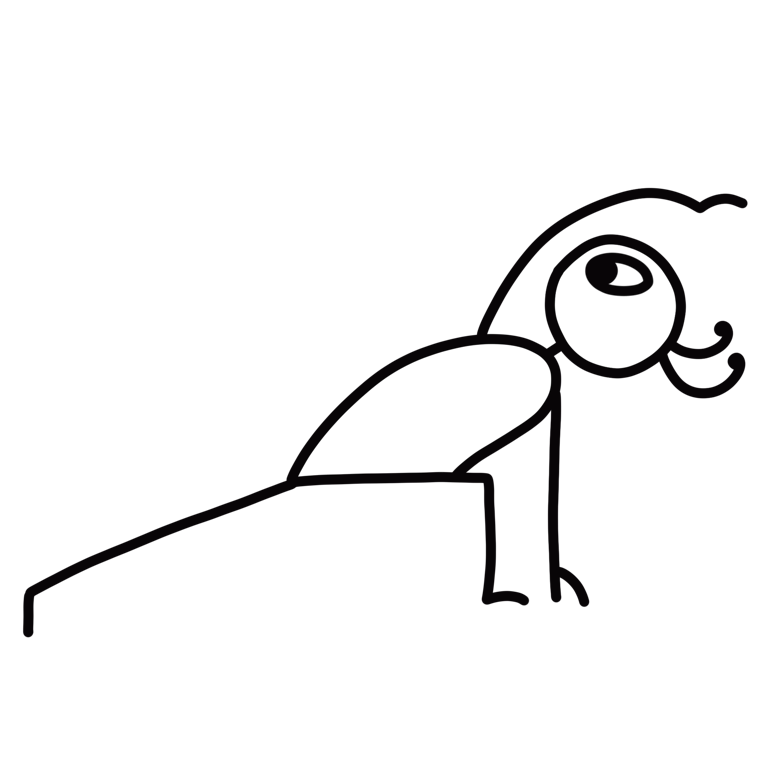
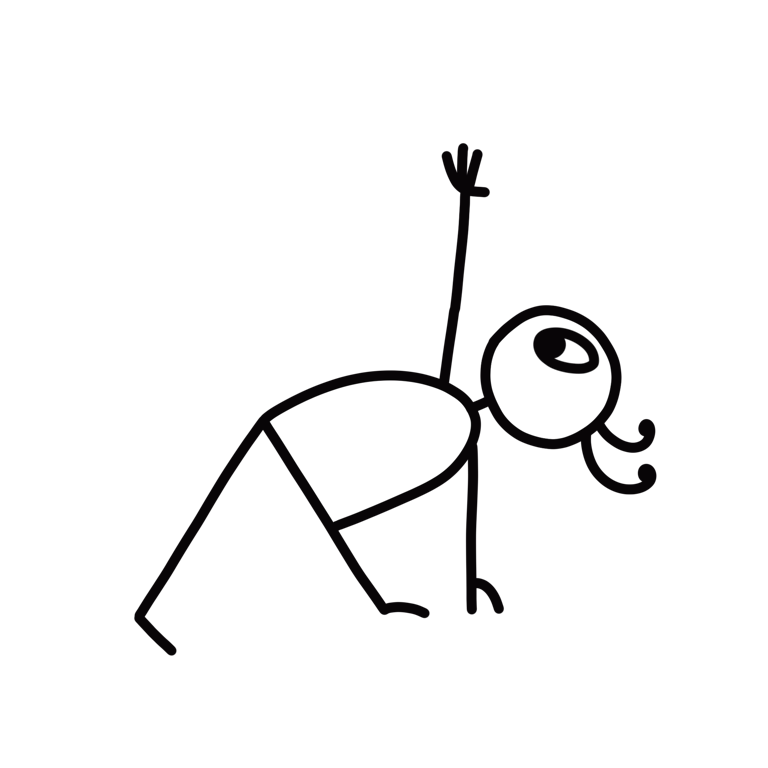
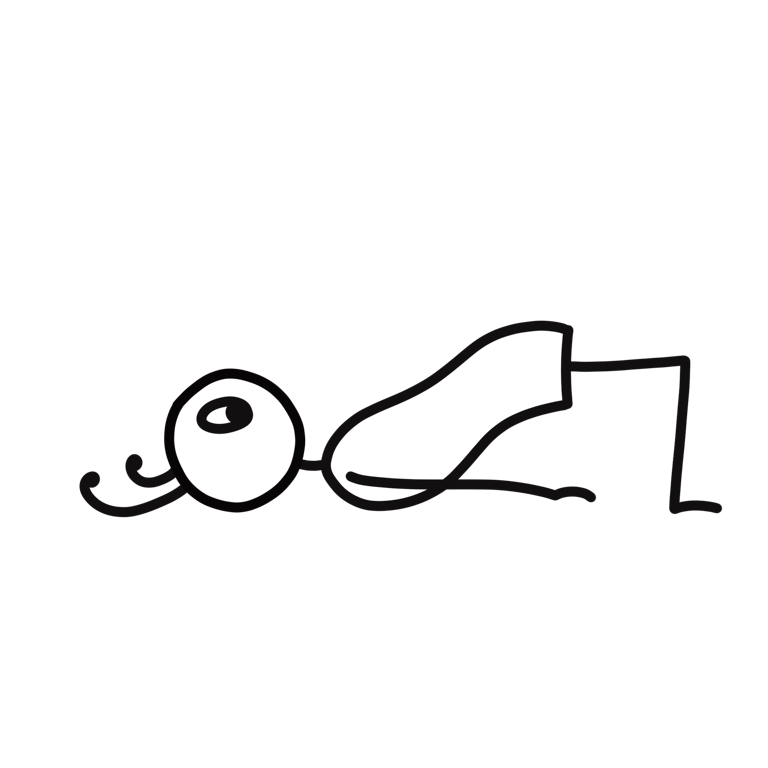
Come to the floor: a gentle backbend to counter the standing work, then a twist to neutralize the spine.

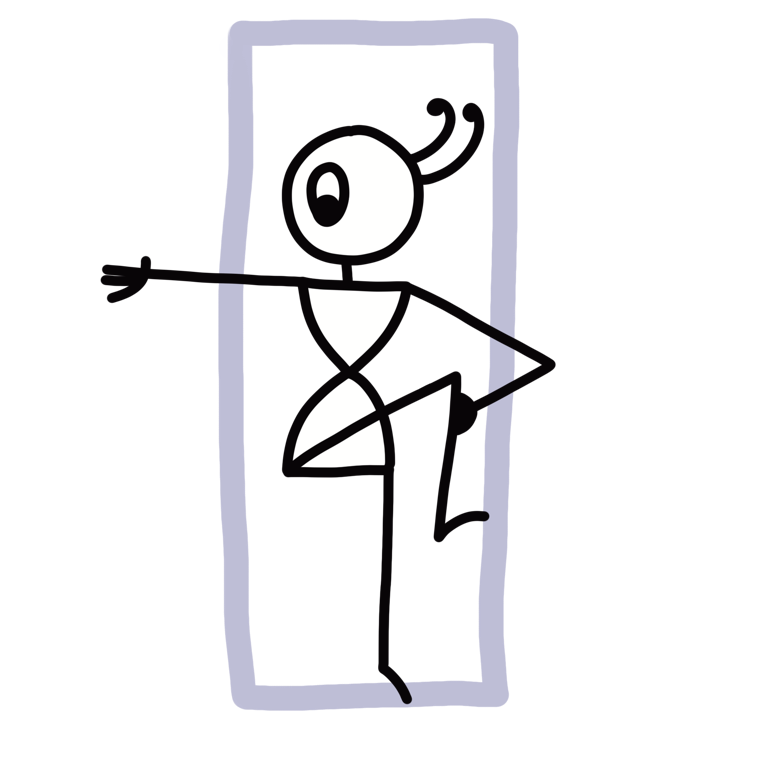
Let the whole class land. In a longer session, give Savasana five full minutes.
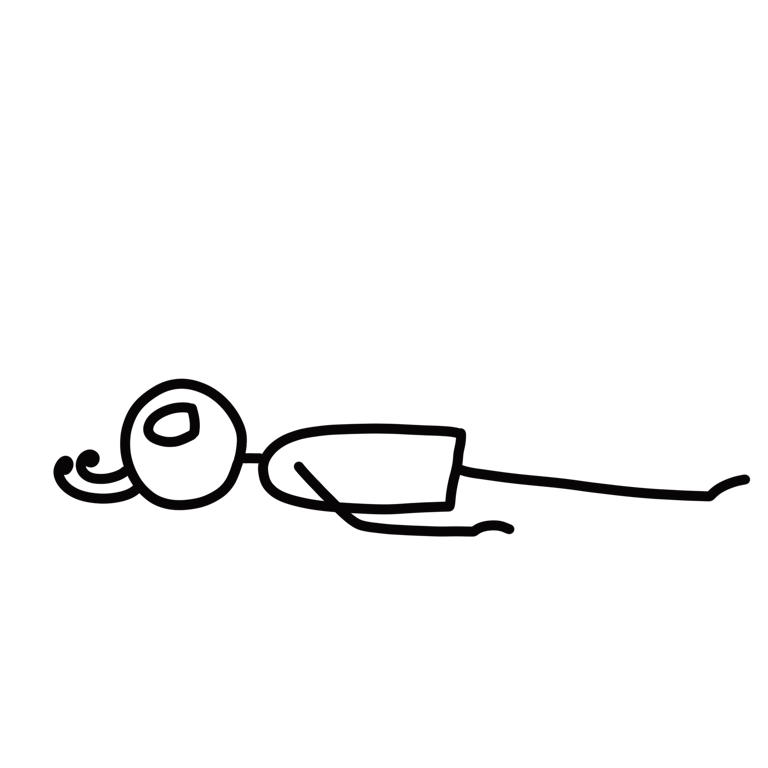
For a full-length class, stretch this same skeleton: add a second standing wave, a balance block, and seated forward folds before Savasana. Our 60-minute class plan shows the extended version minute by minute.
Do's and don'ts of vinyasa sequencing
Do
- Warm up wrists and shoulders before the first Chaturanga.
- Keep transitions logical: group poses by orientation and foot position.
- Repeat key movements so students can stop thinking and start flowing.
- Offer a variation for every demanding pose, and teach it first.
- Balance every effort with a release, and every backbend with a neutral spine.
Don't
- Sequence a peak pose you haven't prepared the body for.
- Bounce between standing and floor work; each drains momentum.
- Cram in new choreography every five breaths; rhythm beats novelty.
- Cut Savasana short to fit in one more flow.
- Teach your own maximum; sequence for the slowest breath in the room.
Build this sequence in minutes
Drag and drop from 200+ illustrated poses, see your whole class at a glance, and download a beautiful PDF to teach from, with alignment cues included.
Create your sequence free