How to Build a Yin Yoga Sequence (With Example Class)
Yin yoga is quiet, slow and deeply supported. Poses are held for several minutes so the body can soften and the mind can settle. Sequencing yin is less about transitions and more about choosing a small set of shapes, propping them generously, and giving each one plenty of time. Here is how to build a calming yin yoga sequence, with an example class you can teach as written.
A gentle, restorative approach
We teach yin as a restful practice, never a test of endurance. Students settle into each shape only as far as feels comfortable, use as many props as they like, and are always free to come out or shorten a hold. Bolsters, blankets and blocks are the point, not a fallback. Warmth and ease do more for the connective tissue than intensity ever will, so if a pose feels too much, the answer is more support or a shorter stay.
How to sequence a yin class
Choose four to six shapes that share a focus, often the hips, spine or shoulders. Hold each for three to five minutes, and move slowly between them with a neutral pause, like Knees to Chest, to let the body reset. Because the holds are long, you need far fewer poses than a hatha or vinyasa class. Sequence from the most open, easy shapes toward the deeper ones, then unwind gently and rest.
Example: a 45-minute yin yoga sequence
Stay in each pose for three to five minutes, using as many props as you like. Come out slowly and pause between poses. Let the props hold you.
Arrive fully supported. Let the breath slow and the body sink into the props before anything else.

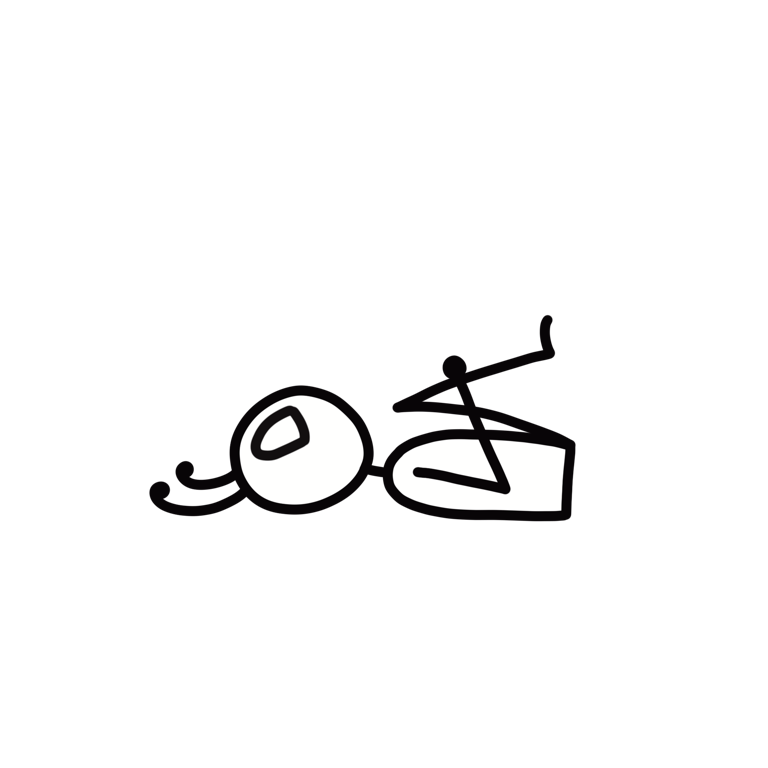
Soft, supported hip openers and forward folds. Rest your torso on a bolster wherever you can.
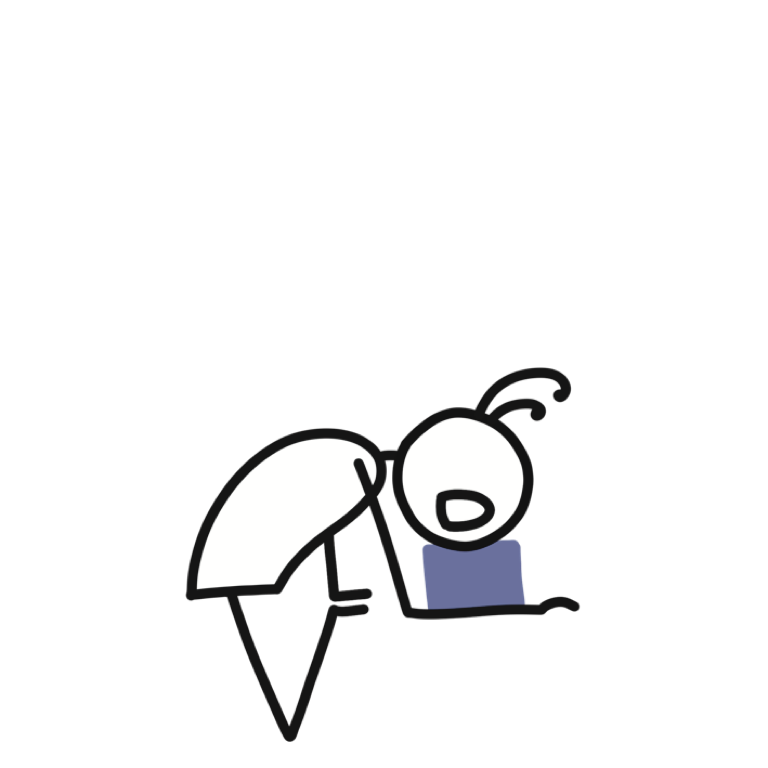

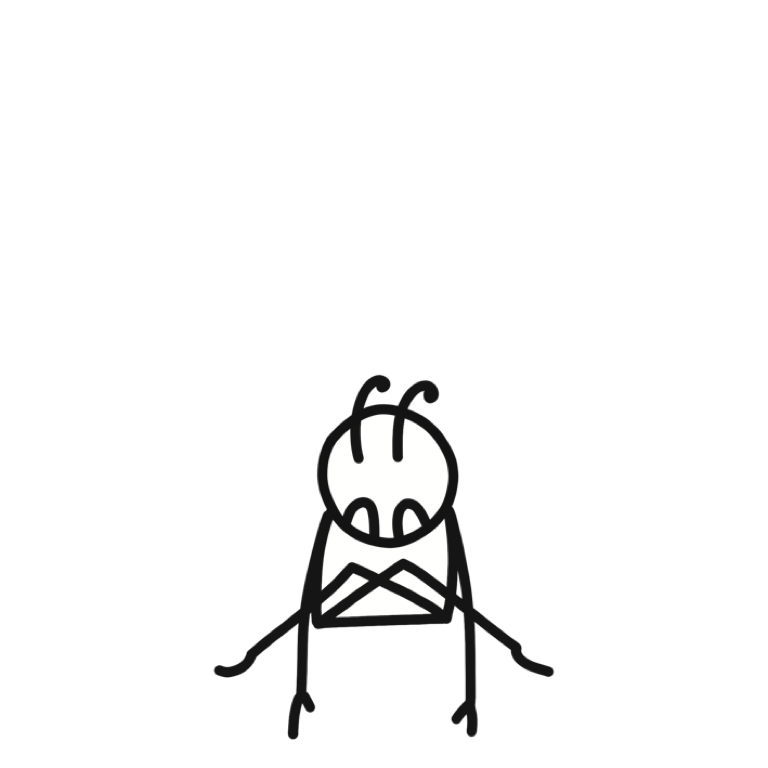
A supported backbend to open the front body, then a shoulder release. Keep everything easy.
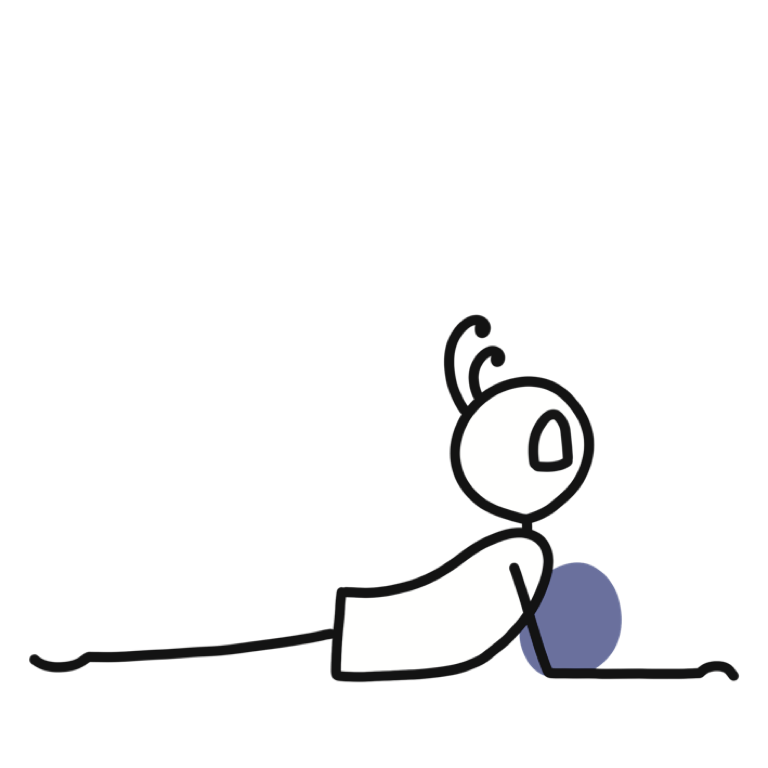
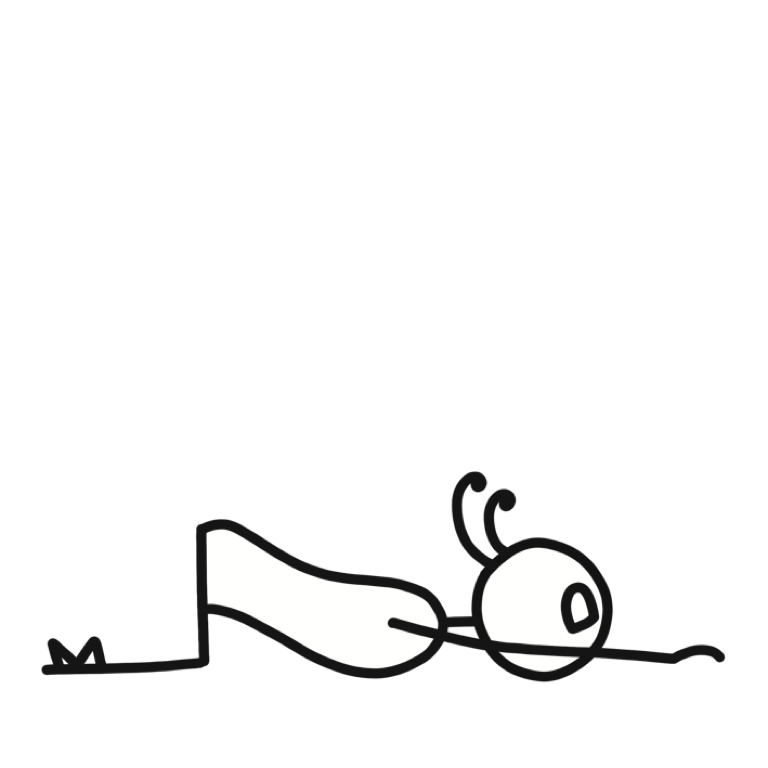
A reclined twist to each side, then a long, well-earned stillness.
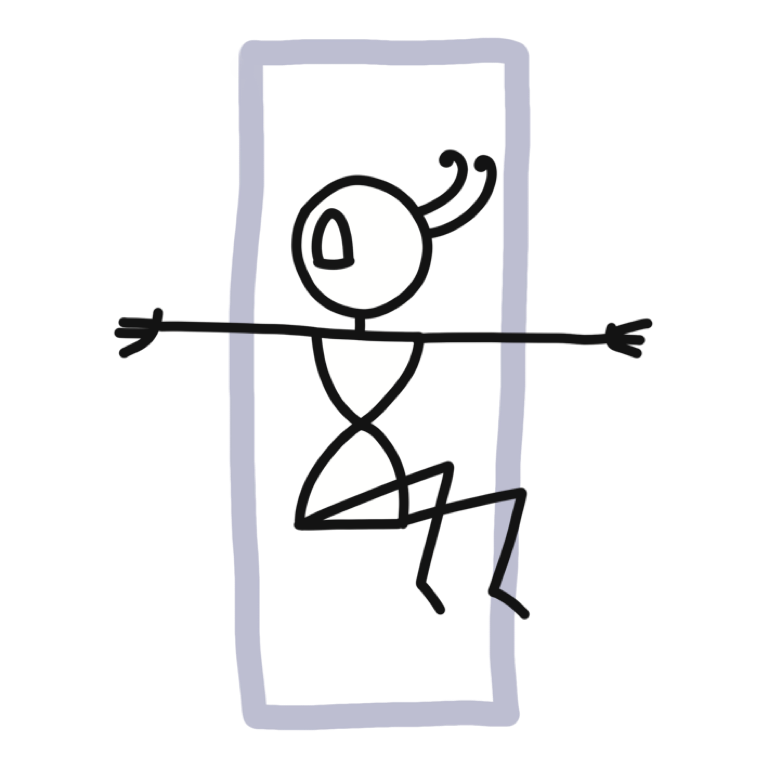

Do's and don'ts of yin sequencing
Do
- Prop generously, so every shape feels supported.
- Hold for time, three to five minutes, not for breath count.
- Keep a small focus, like hips or spine, for the whole class.
- Offer a neutral reset pose between deep holds.
- Invite students to soften or come out whenever they want.
Don't
- Cueing students to find sensation or push deeper.
- Stacking many intense shapes back to back.
- Rushing transitions or the final rest.
- Treating props as a sign of weakness.
- Holding a shape that causes any sharp feeling.
Build your yin class in minutes
Choose your yin shapes from an illustrated library, arrange your holds, and download a calm, printable sequence sheet to teach from.
Create your sequence freeLoved by 2,000+ yoga teachers · rated 4.93/5 from 376 reviews.