Peak Pose Sequencing: How to Build Toward One Pose
Peak pose sequencing is the most satisfying way to plan a class. You choose one challenging pose as the summit, then build everything before it so students arrive prepared, warm, and capable. Done well, the peak feels earned rather than sprung on people. Here is the method, the reverse-engineering trick behind it, and a full worked example building toward Crow pose.
The reverse-engineering method
Start at the end. Name your peak pose, then break it down into the actions it asks of the body: which joints open, which muscles fire, what balance, strength or focus it needs. Those ingredients become your shopping list. Every warm-up and standing pose you choose should rehearse one of them, so by the time students reach the peak, they have already practised its parts in smaller, safer shapes.
Break the peak into its actions
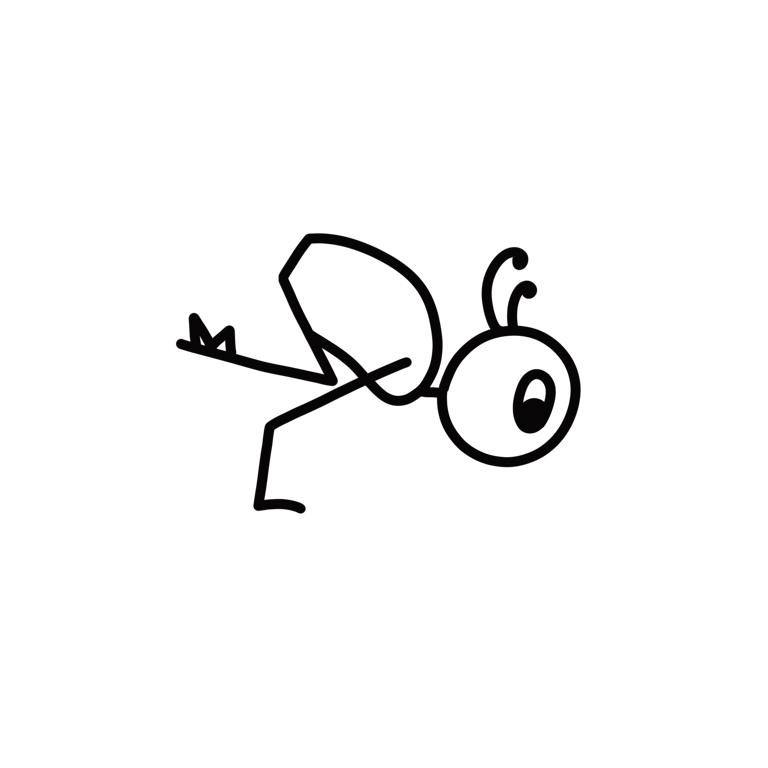
Take Crow pose (Kakasana) as an example. To fly, a student needs: warm, weight-bearing wrists; strong arms and core, like a plank; deep hip flexion and a rounded back to lift the hips; and the focus to balance forward. So the class needs to warm the wrists, build plank strength, open the hips into a deep squat, and rehearse the balance, all before Crow appears.
Example: a class that builds toward Crow
Each phase rehearses one ingredient of the peak. By the final phase, the body already knows the actions Crow asks for.
Crow is weight-bearing on the hands, so warm the wrists first, then wake the spine.


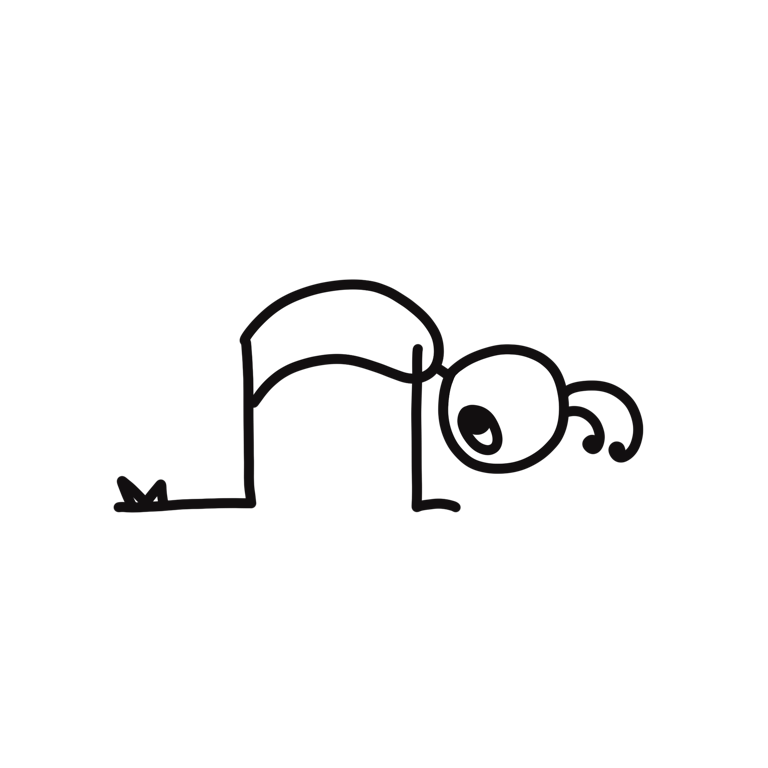

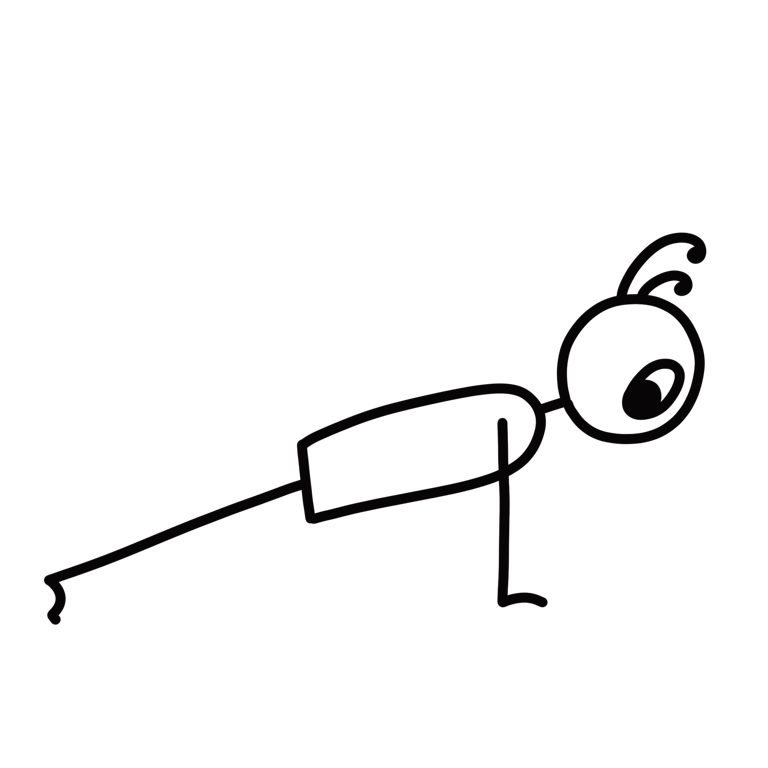
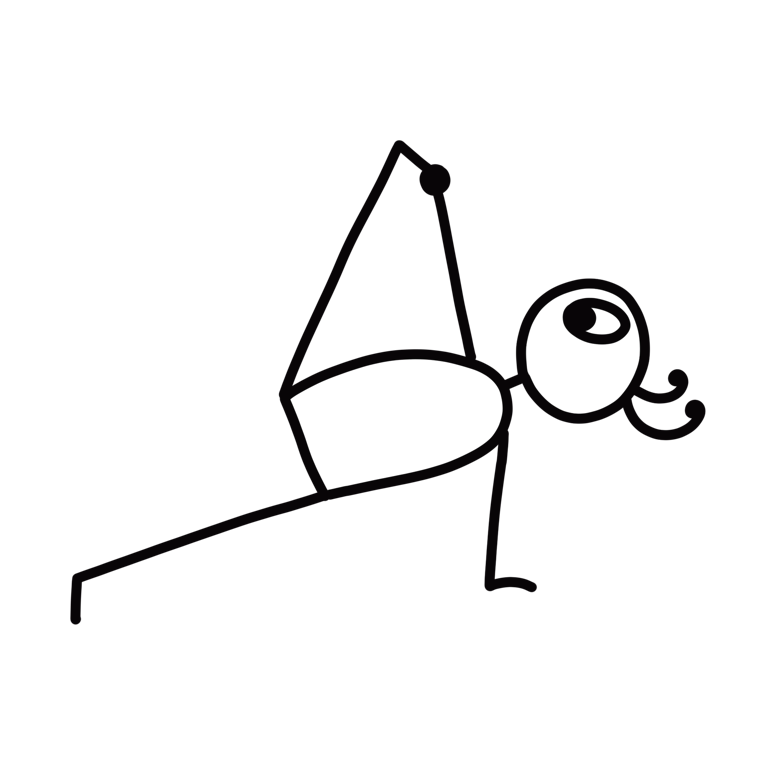
Plank and Side Plank build the exact strength Crow needs to hold the body up.
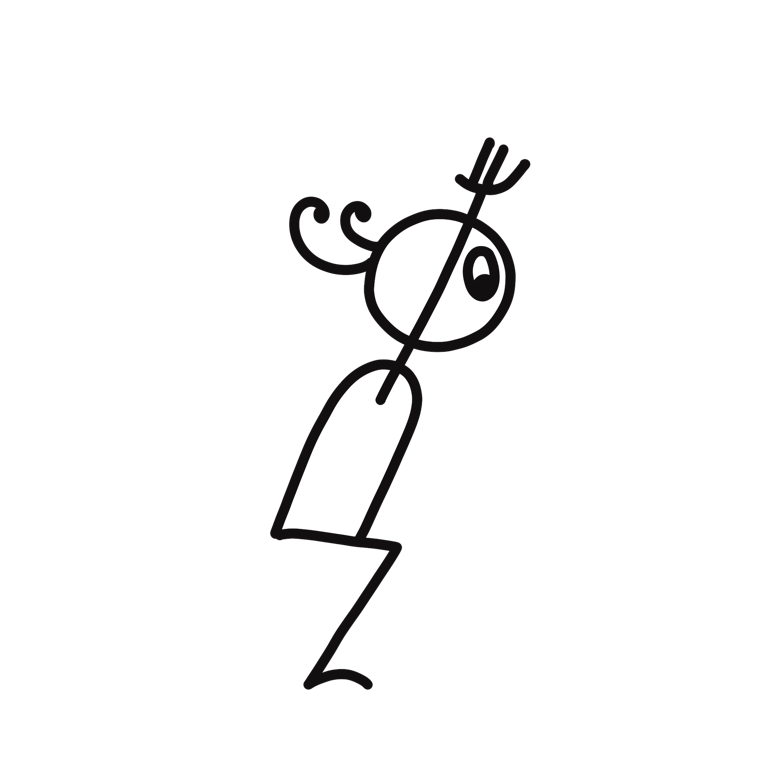
Deep squats and folds create the hip flexion that lets the knees find the arms.

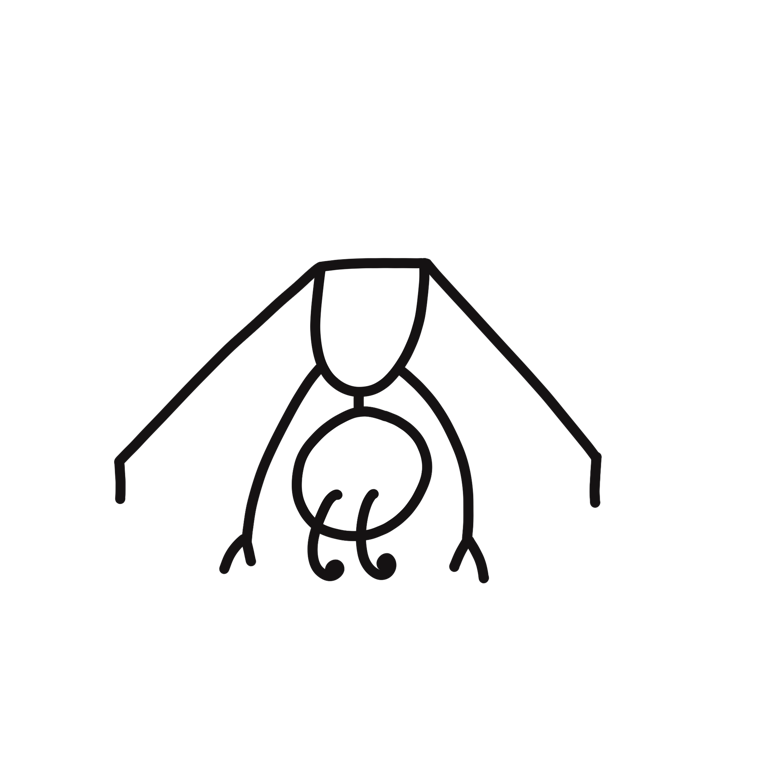
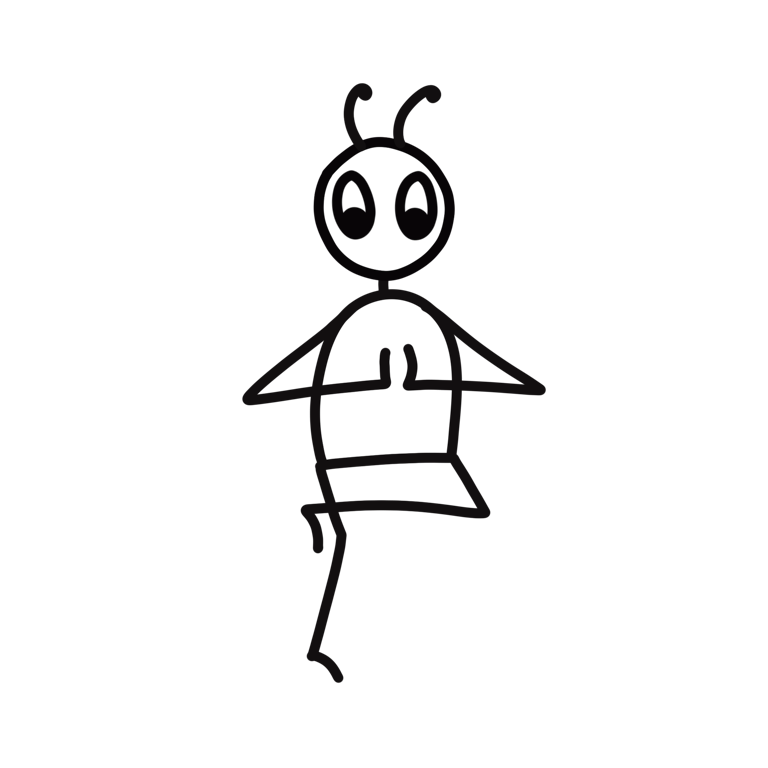
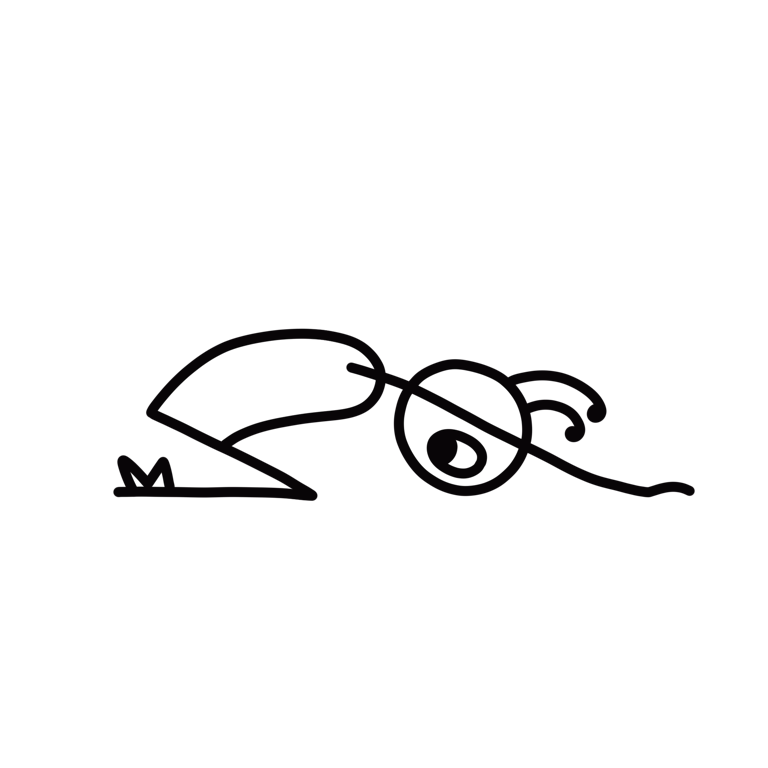
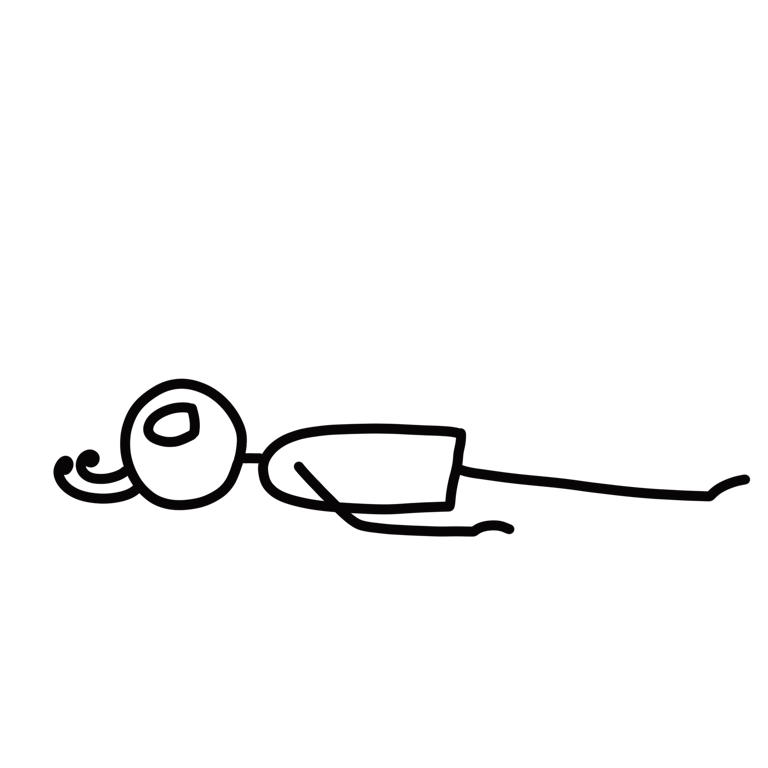
Now Crow. Attempt it, rest the wrists in Child's Pose, then try again. Counter with a gentle fold and rest.

Do's and don'ts of peak pose sequencing
Do
- Break the peak into its actions and rehearse each one.
- Warm the specific joints the peak will load.
- Offer the peak as an exploration, not a demand.
- Give an accessible variation of the peak pose.
- Counter the peak, then rest fully.
Don't
- Springing a hard pose with no preparation.
- Skipping wrist or shoulder warm-ups for arm balances.
- Making students feel they have failed if they don't fly.
- Peaking too late to leave time for cooldown.
- Forgetting the counter-pose after intense work.
Build this sequence in minutes
Drag and drop from 200+ illustrated poses, see your whole class at a glance, and download a beautiful PDF to teach from, with alignment cues included.
Create your sequence freeLoved by 2,000+ yoga teachers · rated 4.93/5 from 376 reviews.