Crow Pose (Kakasana): How to Do It and How to Sequence It
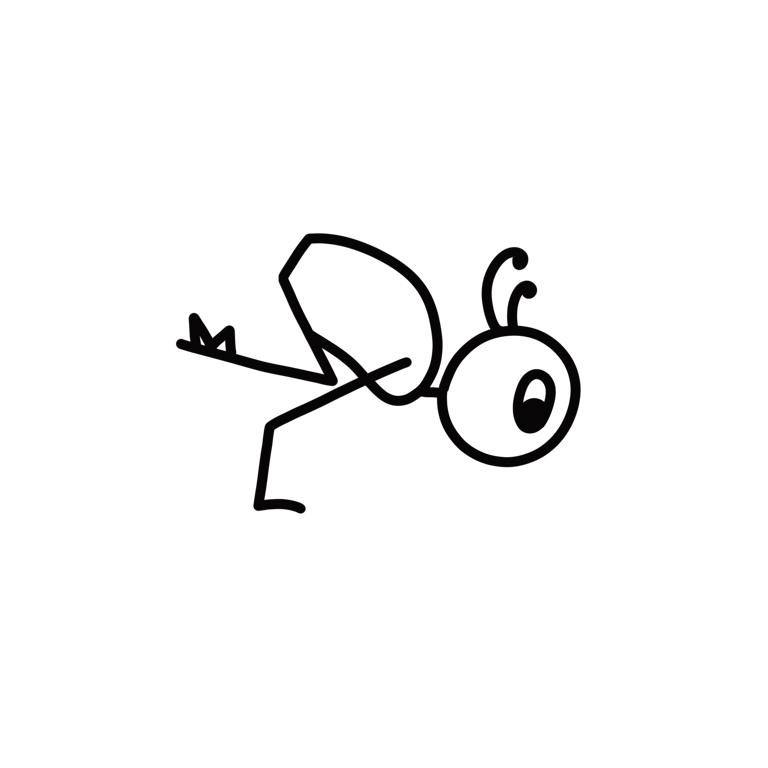
- SanskritKakasana
- Pose typeArm balance
- LevelIntermediate
- FocusWrists, arms, core, balance
- Role in classPeak pose
Crow Pose is the arm balance most students meet first, and the one that makes them grin the moment both feet leave the floor. The secret is not strength. It's finding the balance point, and that is something you can prepare really well. Below you'll find how to do Crow, the props that help, and a complete 30-minute class that builds toward it.
How to do Crow Pose
- Start in Malasana (squat). Place hands on the floor, shoulder-width apart, fingers spread.
- Bend the elbows slightly, creating a shelf with your upper arms.
- Place your knees on the backs of your upper arms (as close to the armpits as possible).
- Begin to lean forward, shifting your weight into your hands.
- Lift one foot off the floor, then the other. Draw the heels toward the glutes.
- Round the upper back slightly; gaze at the floor a foot ahead of you.
- Squeeze the inner knees and feet toward the midline to maintain the lift.
- Hold for 3-10 breaths, then lower the feet with control.
Benefits of Crow Pose
- Builds arm, shoulder, and wrist strength
- Deeply engages the core muscles
- Develops body awareness and a sense of lightness
- Builds confidence and playfulness in the practice
- Challenges focus and concentration
Modifications and props
- Place a block under the feet to get a head start on the lean forward
- Place a folded blanket in front of the hands as a psychological safety net
- Practice "tipping" forward and lifting only one foot at a time
- Practice the shape lying on your back first: squeeze your knees toward your armpits and round the upper back, like Crow on the floor.
- Keep one foot on the floor and only lift the other. That is already a full Crow practice.
How to sequence Crow Pose
Crow works best as the peak of your class, about two thirds of the way in, once the wrists, core and shoulders are warm. Everything before it should practice one of its ingredients: strong wrists, an active core, hugging toward the midline, and a deep squat.
Poses that prepare for Crow
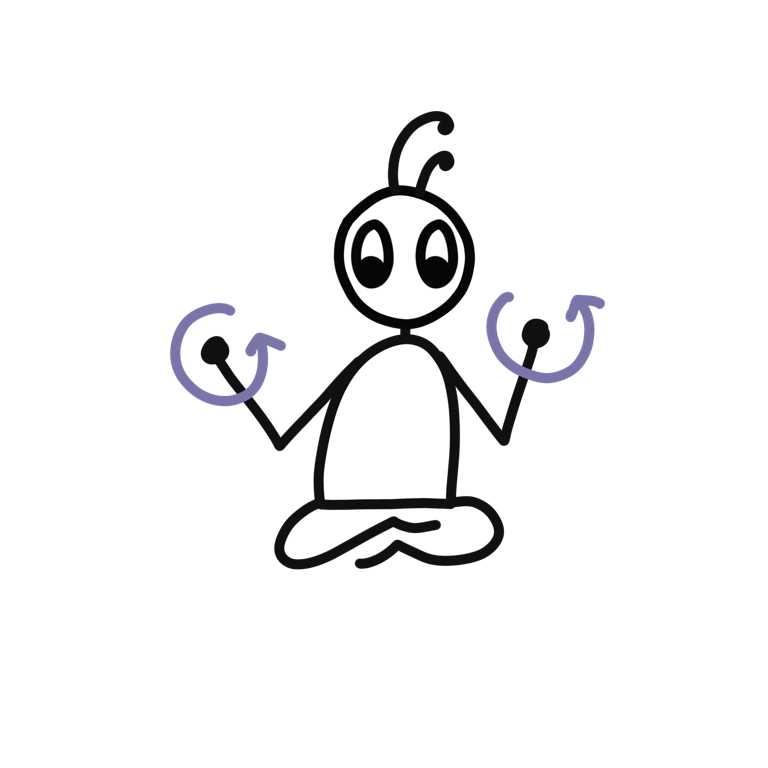
- Wrist warm-ups like wrist circles and a kneeling wrist stretch, because the wrists carry the whole body.
- Plank, Forearm Plank and Boat to wake up the core that lifts the hips.
- Chair and Eagle to practice hugging the knees and arms toward the midline.
- Garland (Malasana), which is the exact starting position of Crow.
Counterposes after Crow
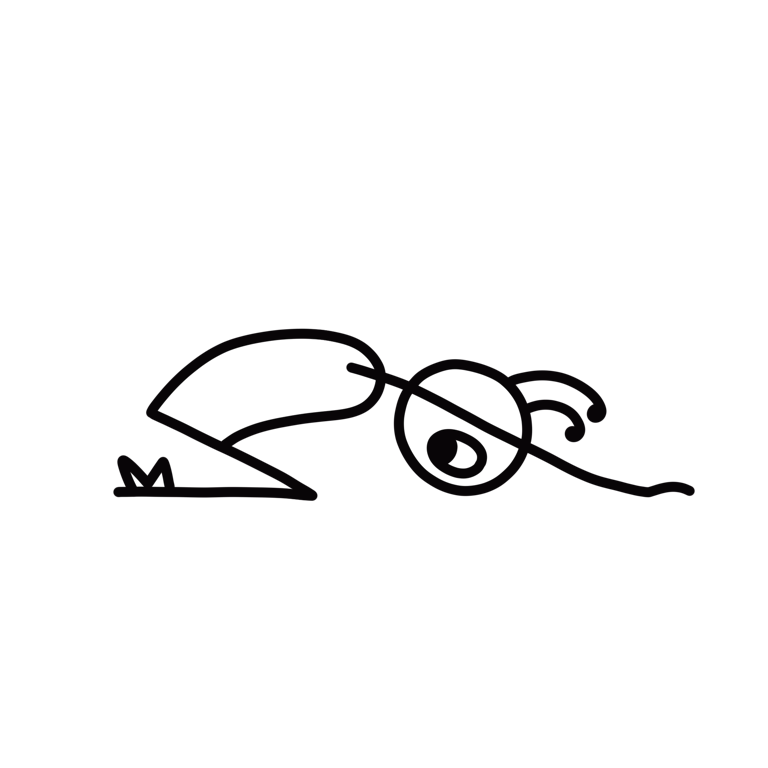
After Crow, release the wrists with a gentle stretch, rest in Child's Pose, and open the spine with a reclined twist. Because Crow rounds the upper back, a soft backbend like Bridge also feels lovely, but keep it easy so the class can slow down.
A 30-minute class toward Crow Pose
Here's a class you can teach as it is, or copy into the Flow Builder and adapt. Want to understand the logic behind it? My guide to peak pose sequencing walks you through it step by step.
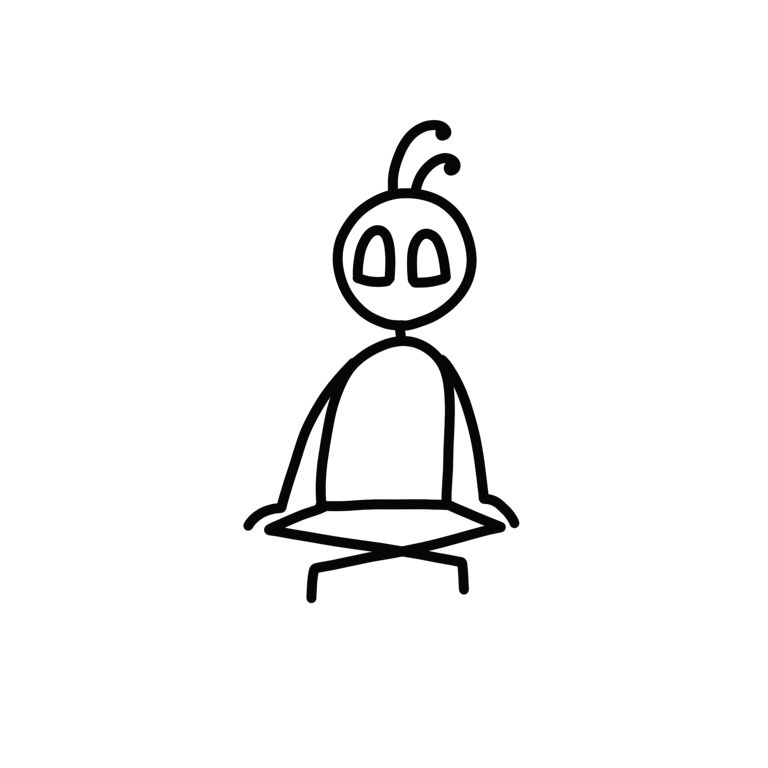
Your wrists carry the whole body in Crow, so they get their own warm-up.
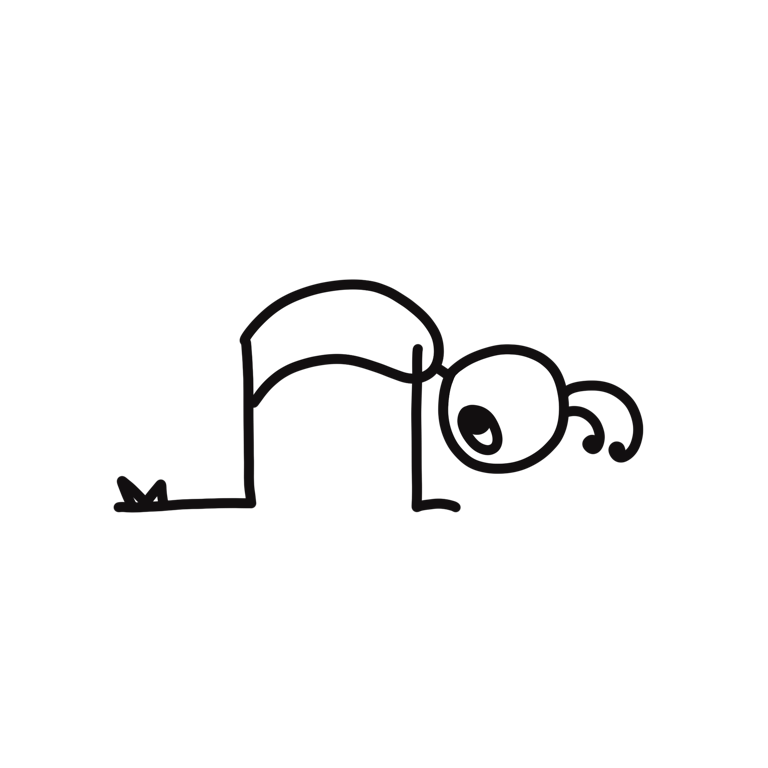
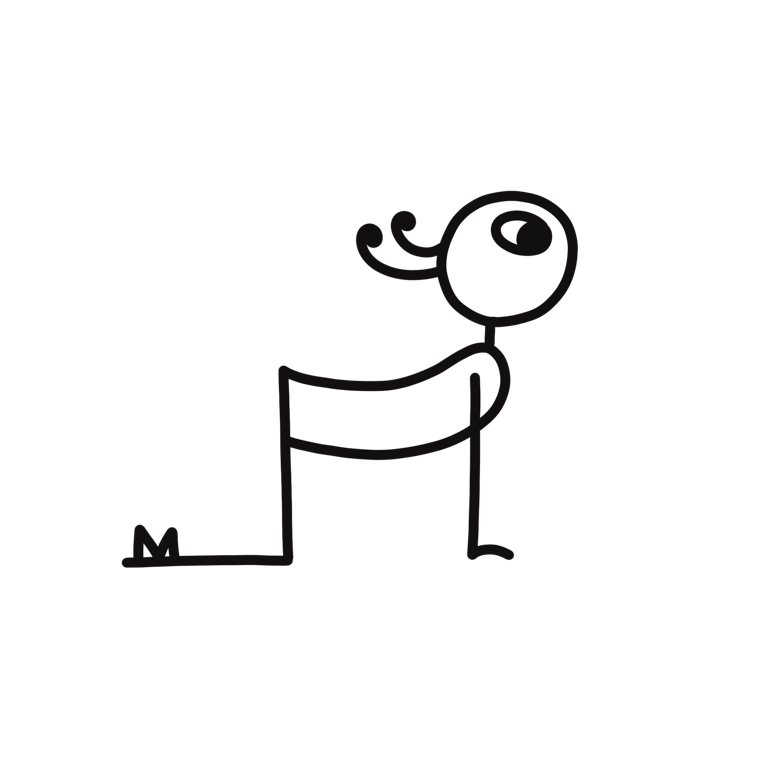
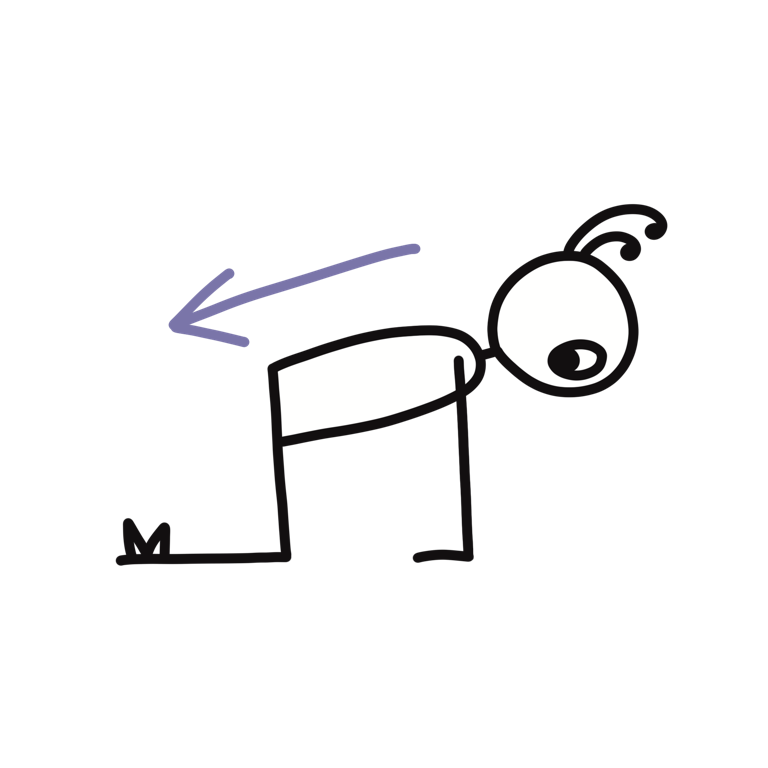
Crow is held by the core as much as by the arms. Plank and Boat practice exactly that.
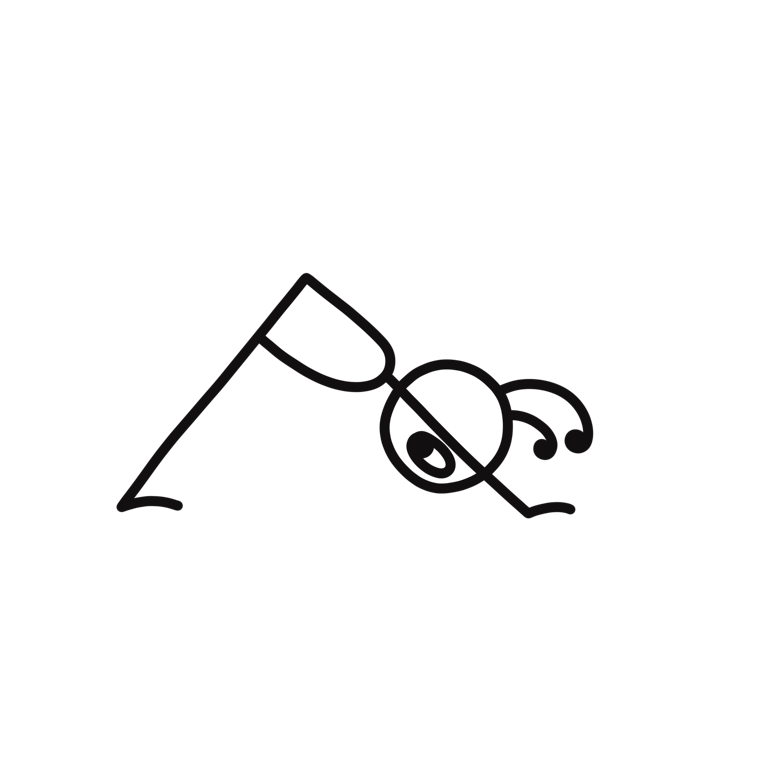
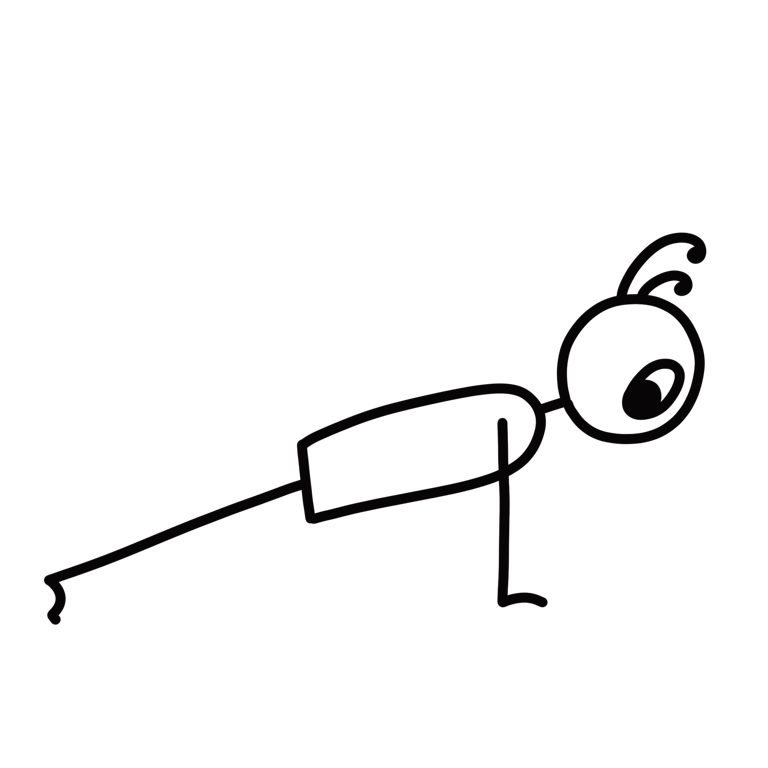
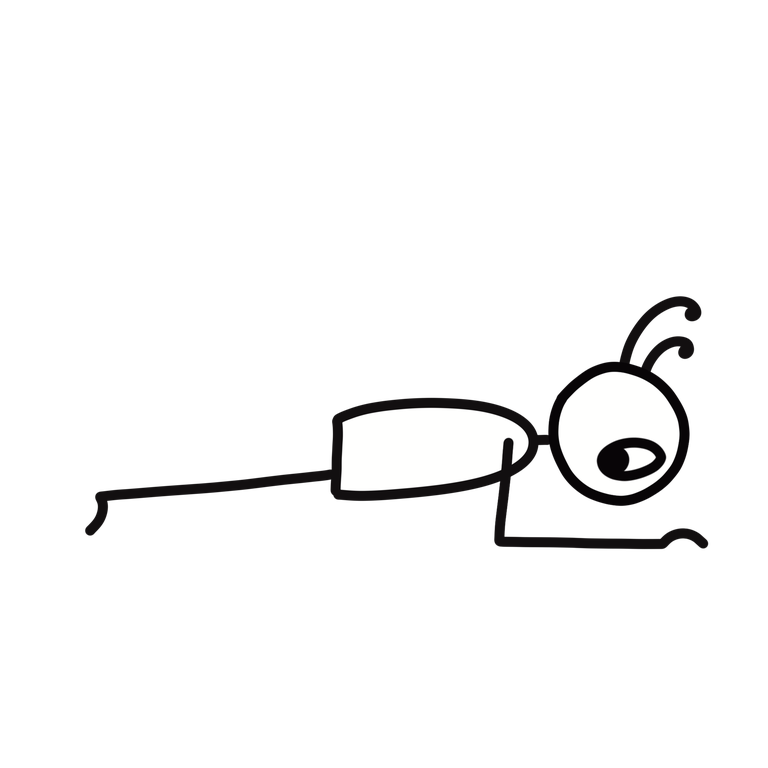
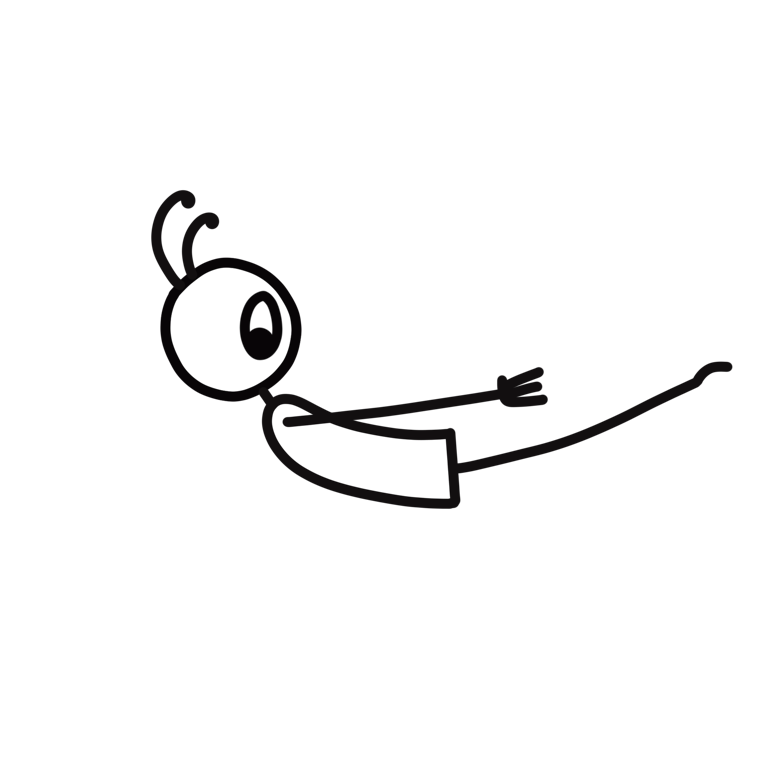
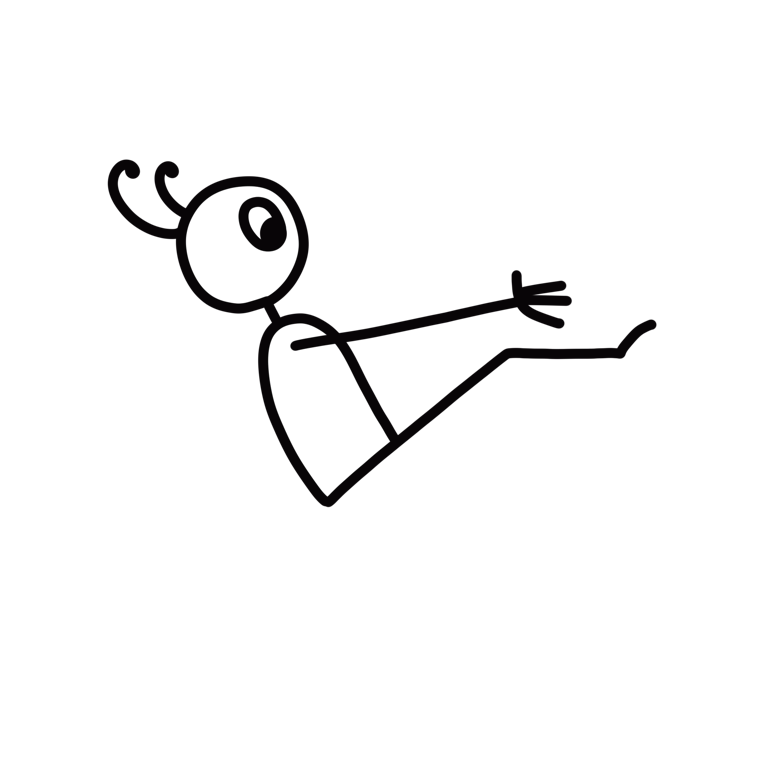
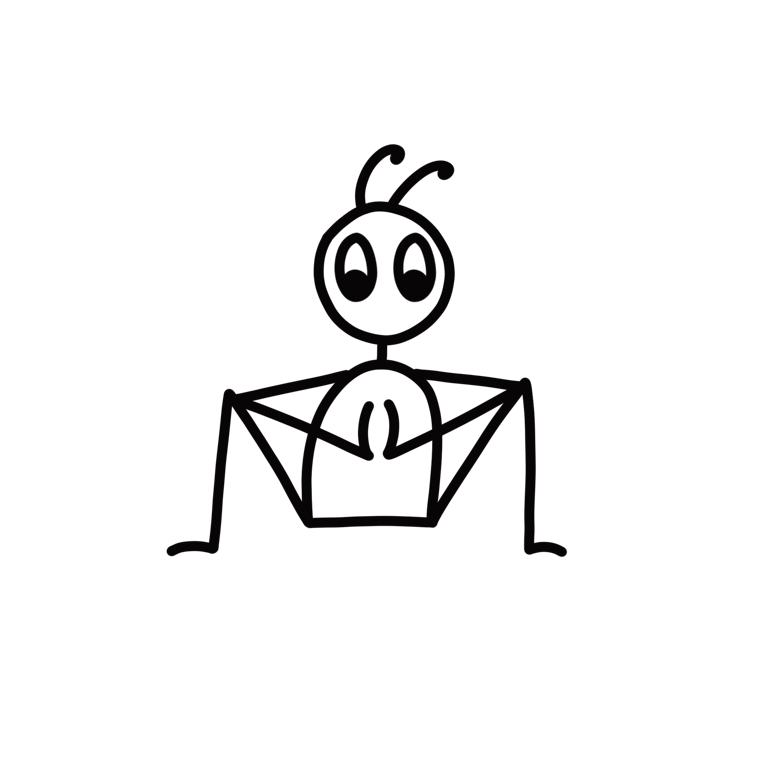
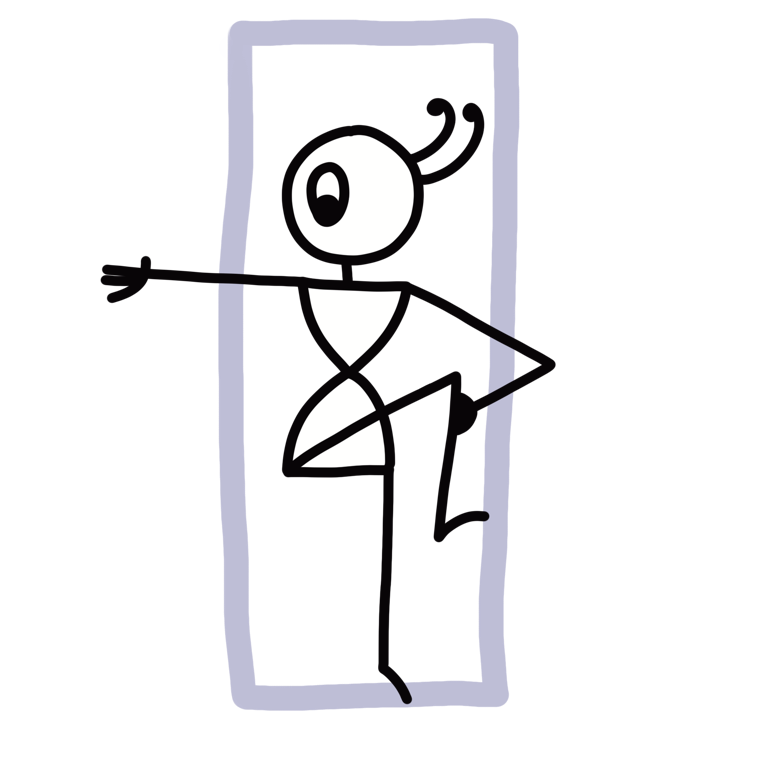
Chair and Eagle teach the hug toward the midline, Garland is the exact starting position of Crow.
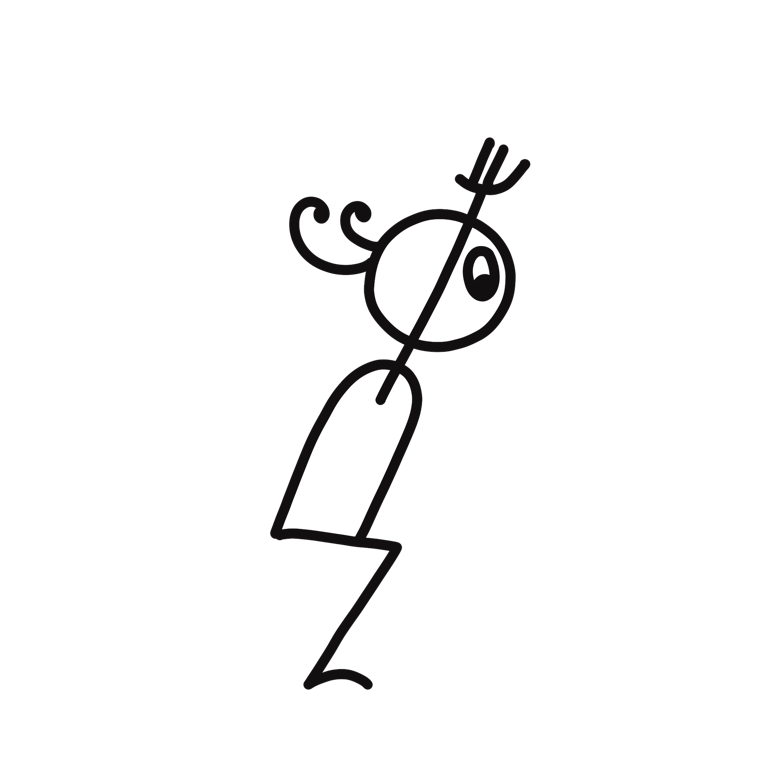

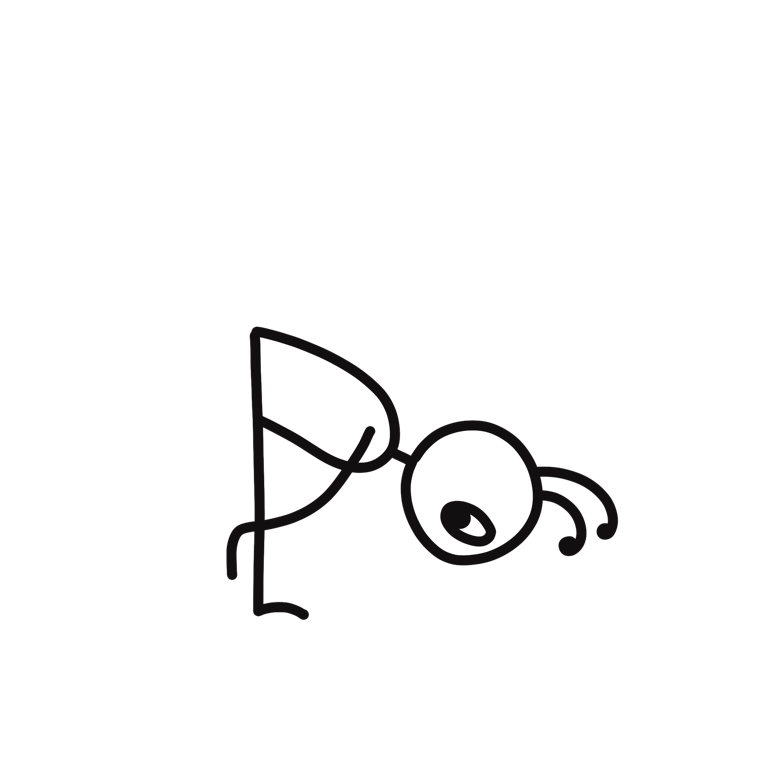
Start from Garland. Offer the blanket and the block, and let everyone play with the tipping point.
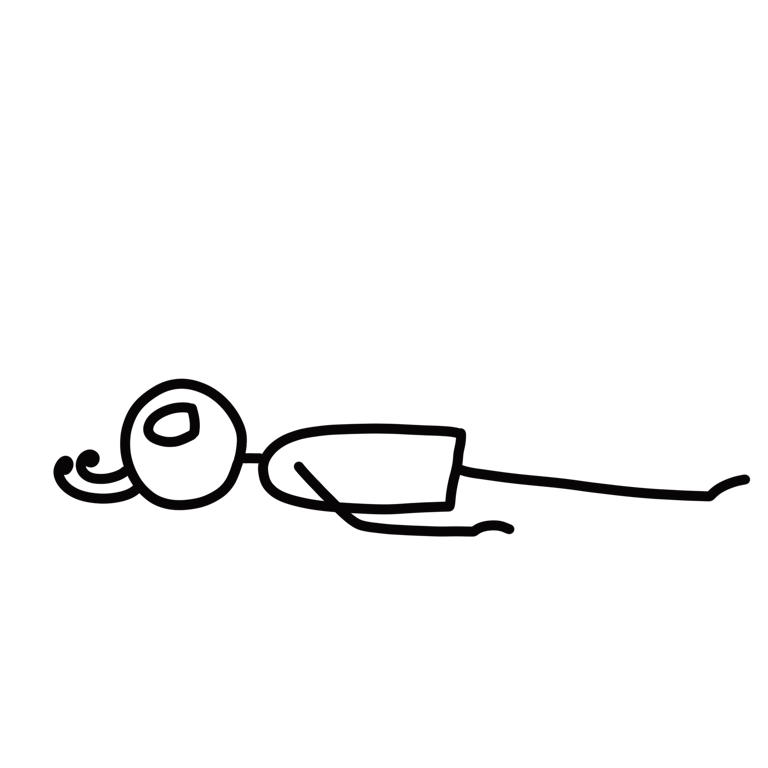
Release the wrists and the front of the body, then let everything land.
Teaching tips and common mistakes
Do
- Lean forward until the weight really is in the hands
- Look a little ahead of your hands
- Squeeze the knees into the upper arms
- Put a folded blanket in front of the hands
Don't
- The most common mistake is not leaning forward enough: the center of gravity must shift into the hands.
- Looking straight down at the floor
- Jumping into the pose instead of tipping
- Letting the elbows splay out to the sides
Build your own class toward Crow Pose
Drag Crow and its prep poses into the Flow Builder, add breaths and notes, and print your class as a clean PDF.
Create your sequence freeFrequently asked questions
Crow is an intermediate arm balance, but it depends more on finding the balance point than on strength. With a blanket in front of the hands and a block under the feet, many students lift off after a few weeks of regular practice.
In Crow Pose (Kakasana) the arms stay bent and the knees rest on the backs of the upper arms. In Crane Pose (Bakasana) the arms straighten and the knees move higher, toward the armpits. Many teachers use the names interchangeably.
Start with one to three breaths and repeat the pose two or three times. With practice, you can build up to five to eight breaths.
Warm up the wrists, wake up the core with Plank and Boat, practice hugging toward the midline in Chair and Eagle, and finish with Garland, which is the starting position of Crow.
Child's Pose, a gentle wrist stretch and a reclined twist release the wrists and the rounded upper back.