How to Build a Chair Yoga Sequence (With Example Class)
Chair yoga brings the whole practice within reach of people who cannot easily get up and down from the floor, whether through age, injury, limited mobility or simply a long day at a desk. The chair becomes the mat: a stable base for seated poses and a support for standing ones. Sequencing chair yoga follows the same arc as any class, adapted to the seat. Here is how to build an accessible chair yoga sequence, with a full example.
The chair is the foundation
A sturdy, armless chair on a non-slip surface replaces the mat. Students sit tall with both feet flat, or stand and use the chair back for balance. Because you remove the challenge of getting to and from the floor, chair yoga is one of the most inclusive ways to teach, ideal for seniors, people recovering from injury, larger bodies, and mixed-ability groups. It pairs naturally with a beginner or restorative approach.
How to sequence a chair class
Keep the same five-phase arc: settle and breathe, warm the spine, work through seated and supported standing poses, then cool down and rest, all from or beside the chair. Alternate seated and standing blocks so the class flows without constant transitions, and offer a fully seated option for every standing pose.
Example: a 40-minute chair yoga sequence
Move at a gentle pace, holding each pose for three to five breaths. Use the chair back for support in every standing shape, and stay seated whenever that feels better.
Sit tall and wake the spine, then reach up and lengthen the sides of the body.

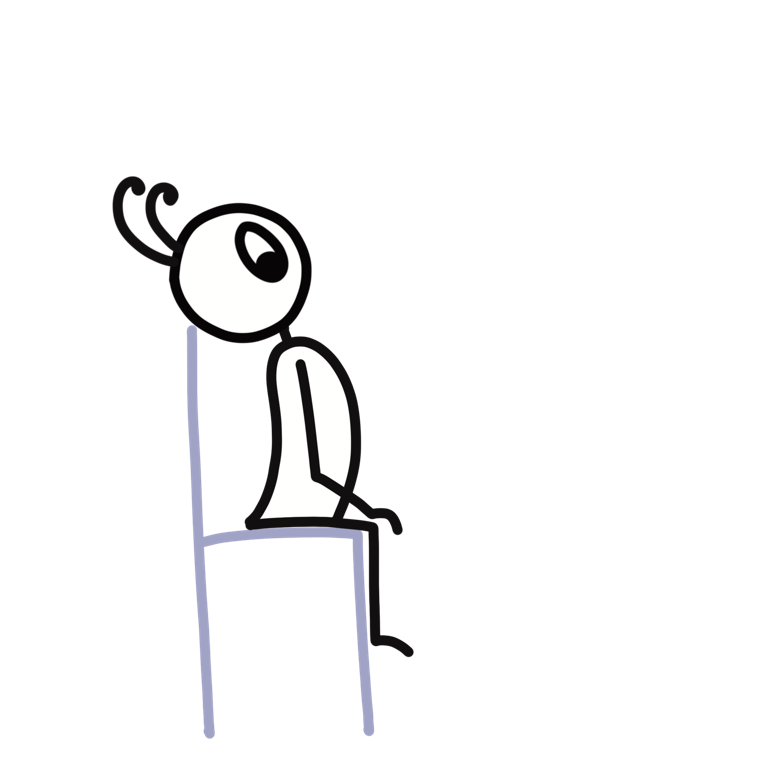
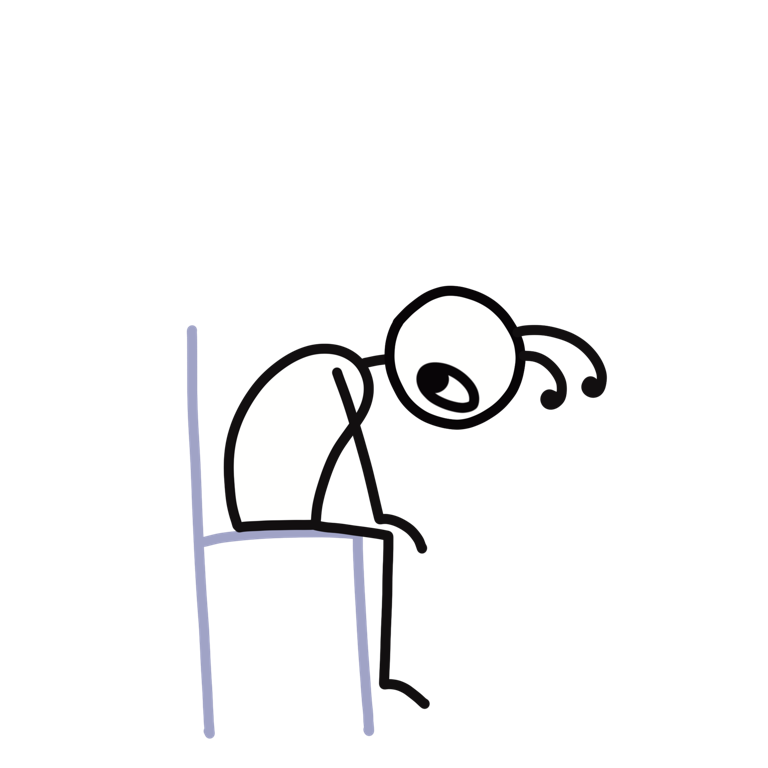

Gentle twists, side bends and folds, all from the seat.

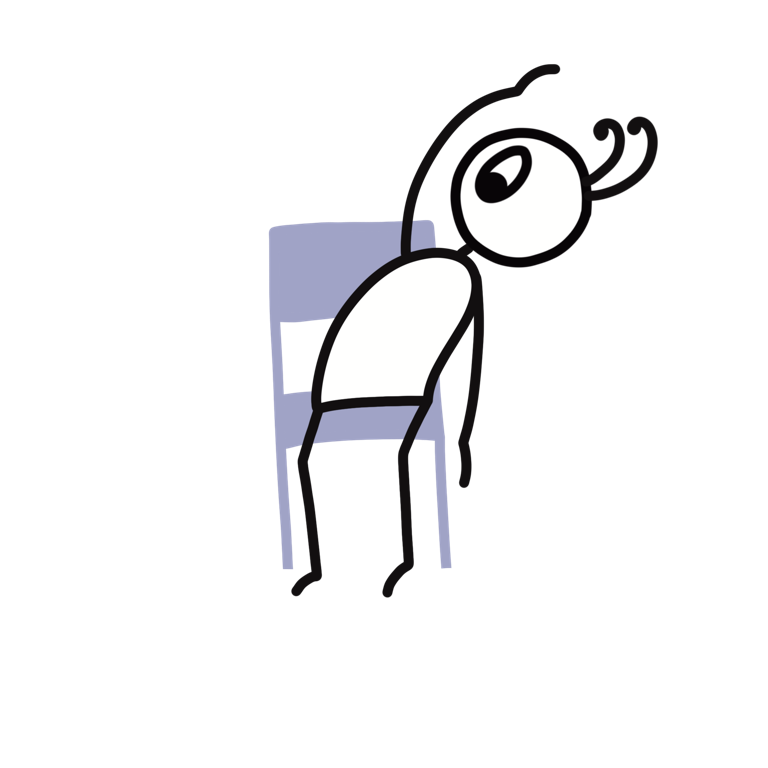

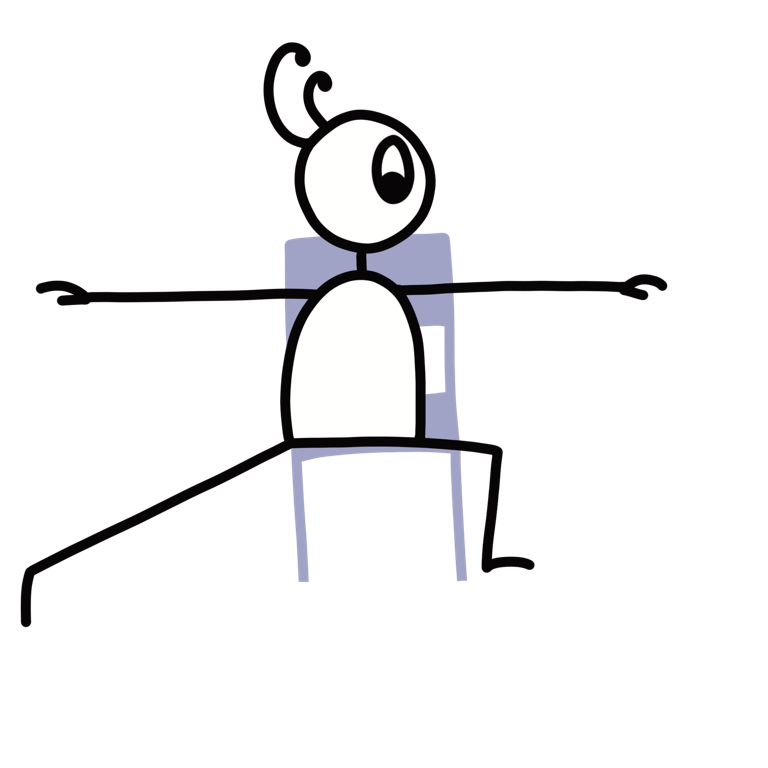
Stand behind or beside the chair and hold the back for balance. Offer a seated version of each.
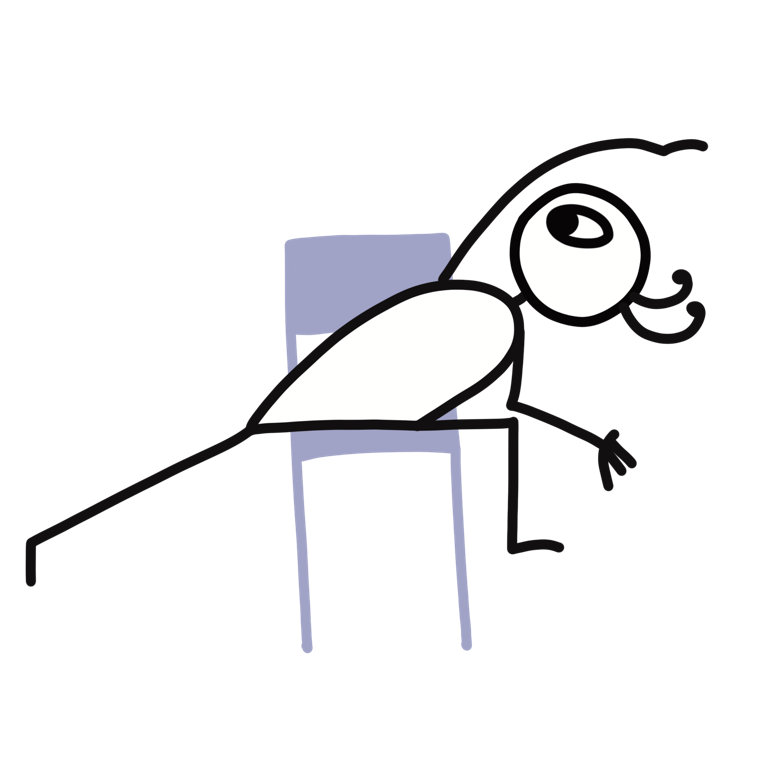
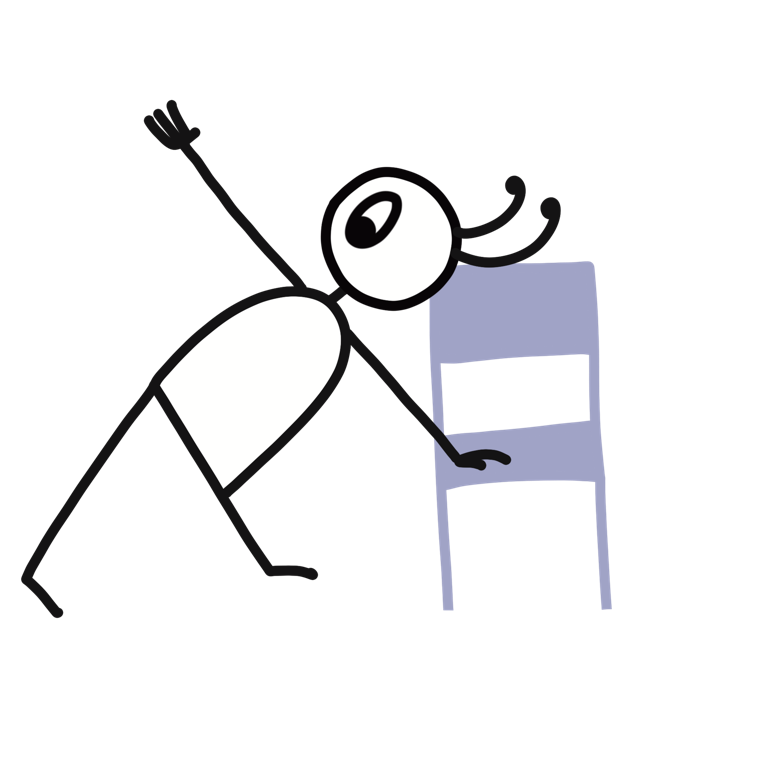
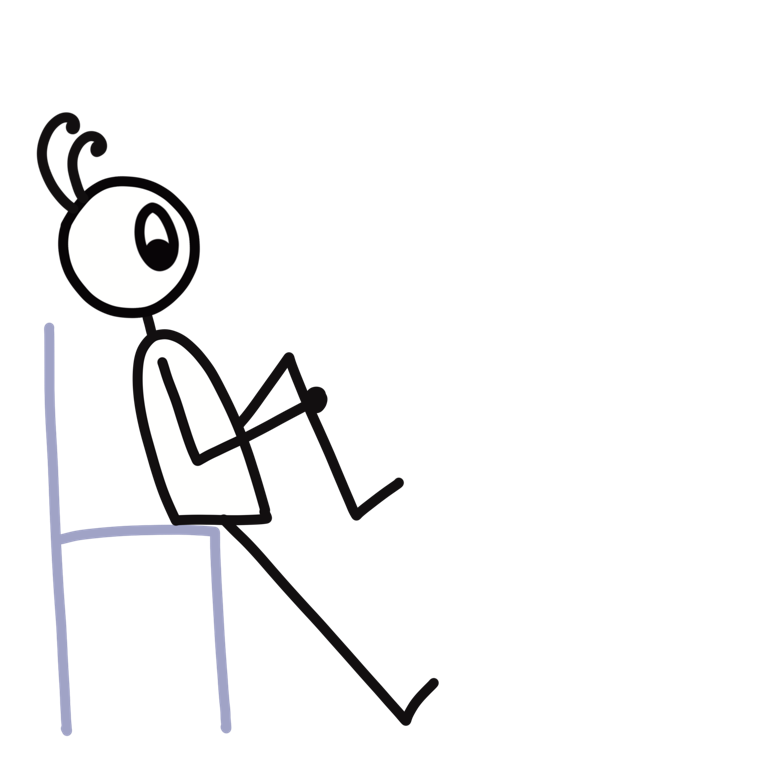
Return to the seat, draw one knee in, then rest with the eyes soft.
Do's and don'ts of chair yoga sequencing
Do
- Use a stable, armless chair on a non-slip surface.
- Offer a seated version of every standing pose.
- Alternate seated and standing blocks to limit transitions.
- Cue students to keep both feet flat and the spine tall.
- Keep the pace gentle and the language clear.
Don't
- Using a chair with wheels or an unstable base.
- Assuming everyone can stand for the standing poses.
- Sequencing constant up-and-down changes.
- Rushing, or skipping the warm-up.
- Forgetting a proper rest at the end.
Build your chair yoga class in minutes
The Flow Builder includes a full library of illustrated chair yoga poses. Arrange your class, add cues, and print a clear sequence sheet to teach from.
Create your sequence freeLoved by 2,000+ yoga teachers · rated 4.93/5 from 376 reviews.