How to Build a Restorative Yoga Sequence (With Example Class)
Restorative yoga asks the body to do nothing. Every shape is fully supported by bolsters, blankets and blocks, so muscles can switch off and the nervous system can down-shift into rest. Sequencing restorative is about comfort and stillness: a handful of well-propped poses, held for a long time, in an order that guides students steadily toward deep calm. Here is how to build a restorative yoga sequence, with an example class.
The goal is complete support
In a restorative class, if a pose requires effort to hold, it needs more props. The aim is for the body to feel held from underneath so it can release entirely. Take time setting each shape up, and keep students warm, a blanket over the body and an eye pillow can matter more than the pose itself. This is the most passive end of the spectrum, even gentler than yin.
How to sequence a restorative class
Use only four to six shapes, each held for five to ten minutes. Move slowly and give clear, minimal cues, then let silence do the work. Sequence from a grounding opener toward the most restful supported poses, include a gentle supported twist, and finish with a long Savasana. Fewer transitions are better; every change of position should feel effortless.
Example: a 50-minute restorative sequence
Hold each pose for five to ten minutes. Set up slowly, stay warm, and let the props carry all of your weight.
Begin fully supported over a bolster so the front body softens and the breath settles.


A supported backbend to gently open the chest, then legs elevated to soothe the whole system.
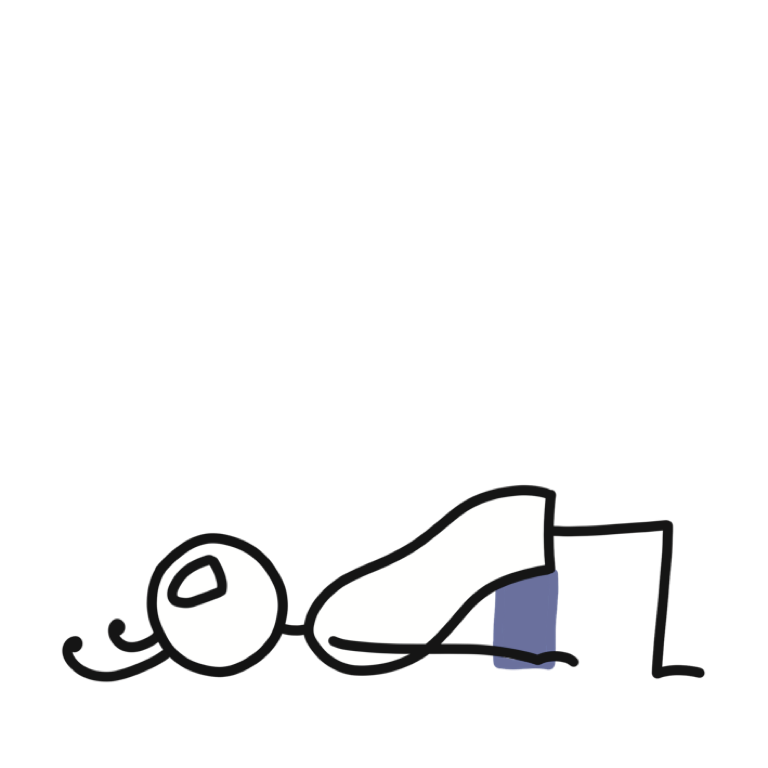
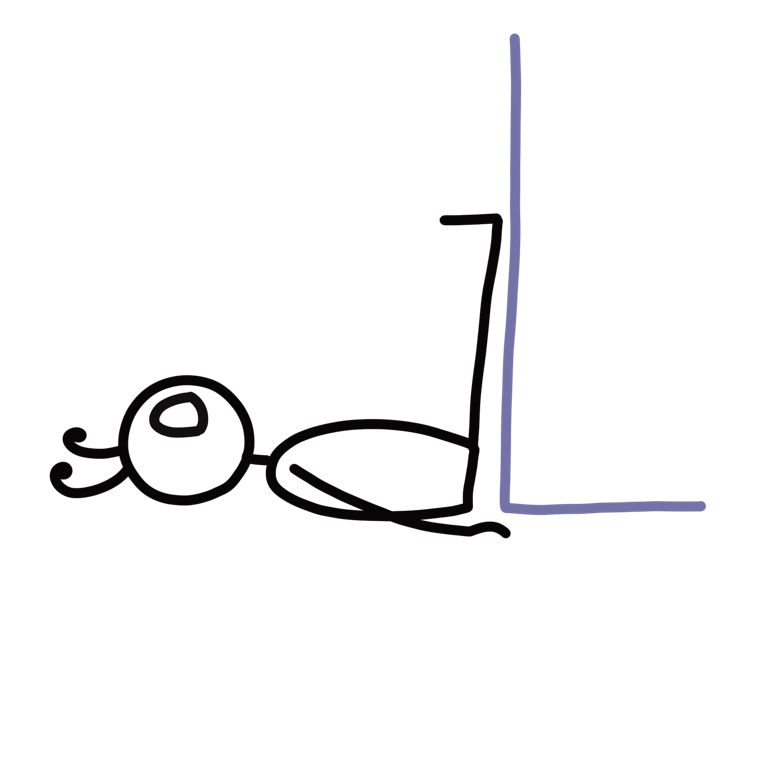
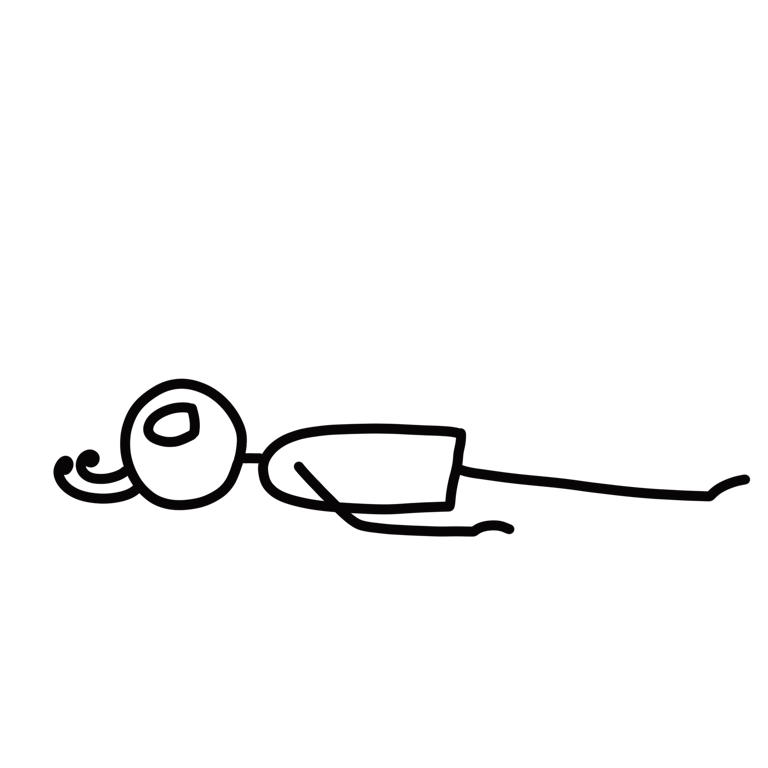
A supported reclined twist to each side, then a long, blanketed Savasana.

Do's and don'ts of restorative sequencing
Do
- Support the body so completely that no effort is needed.
- Hold each pose for five to ten minutes.
- Keep students warm with blankets and dim the lights.
- Allow slow, effortless transitions between shapes.
- Give plenty of quiet; cue less, not more.
Don't
- Letting a pose require muscular effort to hold.
- Sequencing too many position changes.
- Rushing the set-up of each shape.
- Cutting the final Savasana short.
- Filling the silence with constant talking.
Plan your restorative class in minutes
Arrange your supported shapes, set your hold times, and download a calm, printable sequence sheet, so you can stay fully present with your students.
Create your sequence freeLoved by 2,000+ yoga teachers · rated 4.93/5 from 376 reviews.